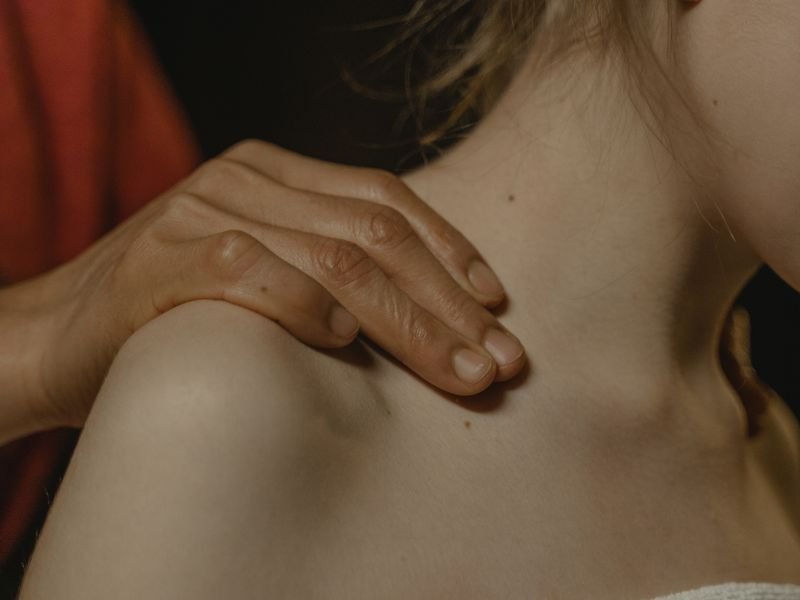
Stage 01
Assessment
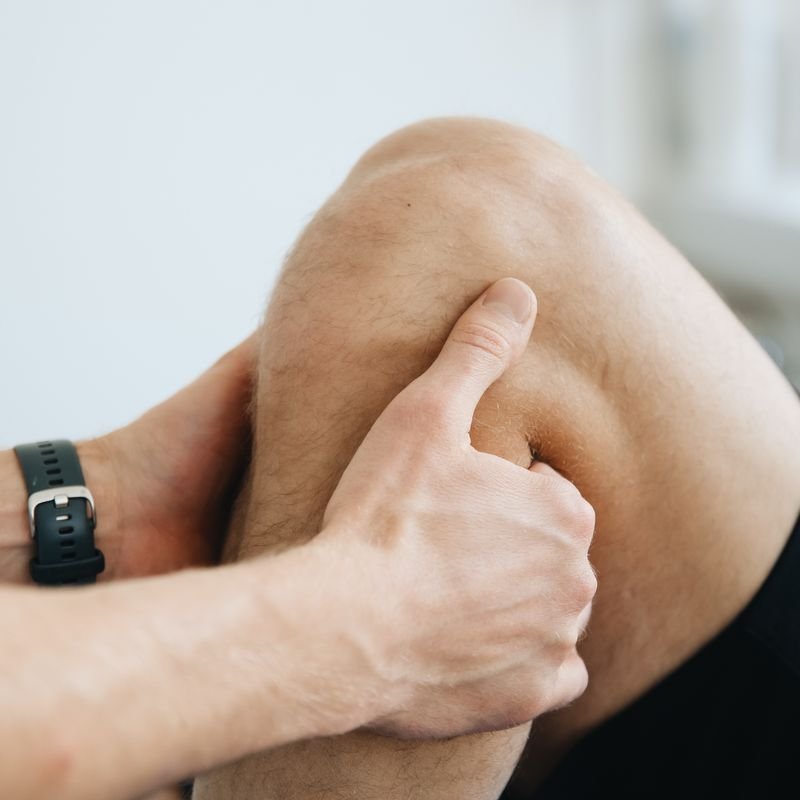
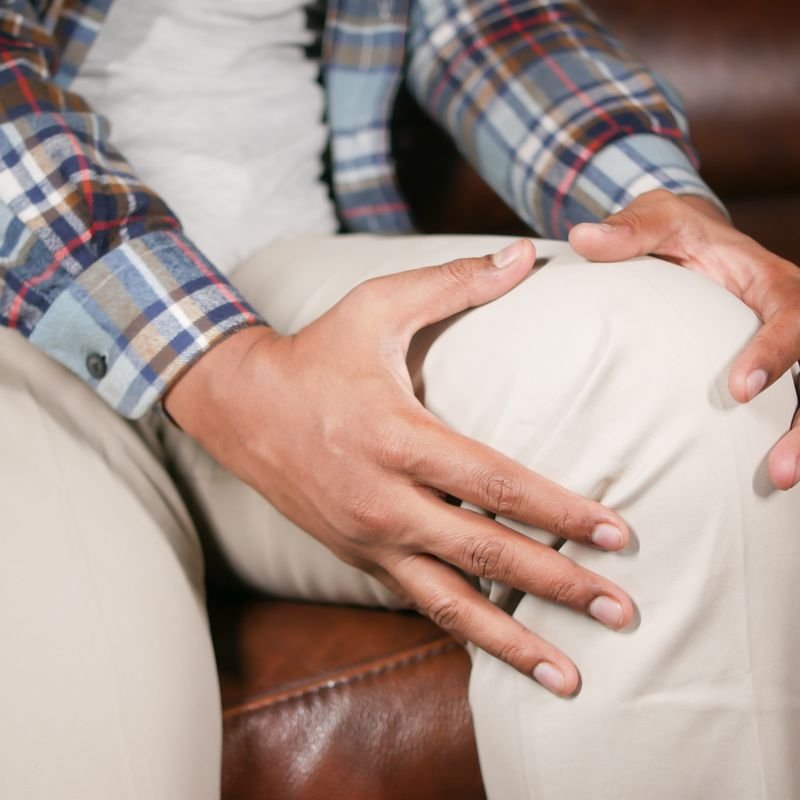
A full movement screen, strength and range testing, and a conversation about your sport, your season and what you were doing when it happened.
Back to the sport at full speed — not just out of pain.
Sports Injury Rehabilitation
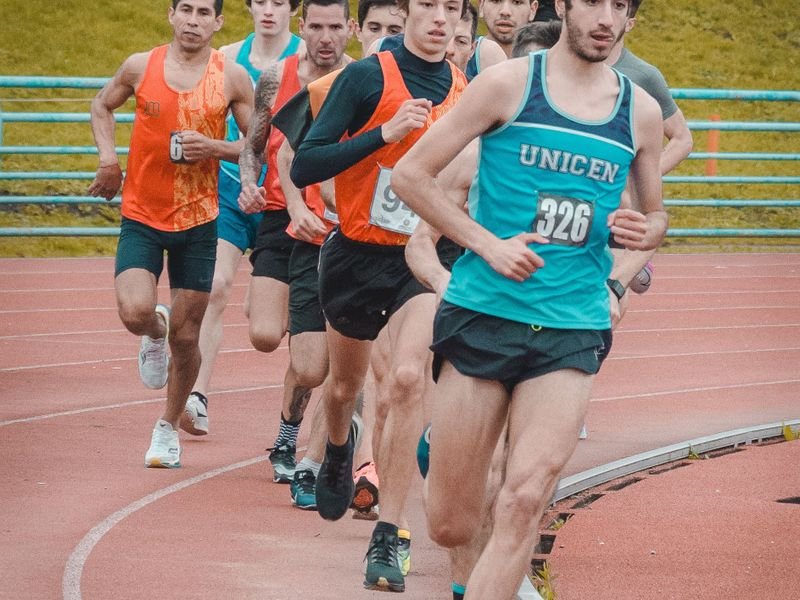
Being pain-free and being ready to play are two different things. A hamstring can feel fine walking around and tear again on the first sprint, because walking never asked it for anything.
Sports rehabilitation closes that gap on purpose. We establish what the tissue currently tolerates, load it in steps, and add speed, contact and change-of-direction only when testing says you are ready for them.
Assessed against your sportThe demands of your position, not a generic protocol.
Measured, not guessedStrength and range tested so progress is visible.
Progressive loadingLoad added in steps the tissue can genuinely absorb.
Return-to-play criteriaYou are cleared on test results, not on the calendar.
How it is staged
Each stage ends with a decision point — nothing moves forward on autopilot.
Stage 01
A full movement screen, strength and range testing, and a conversation about your sport, your season and what you were doing when it happened.
Stage 02
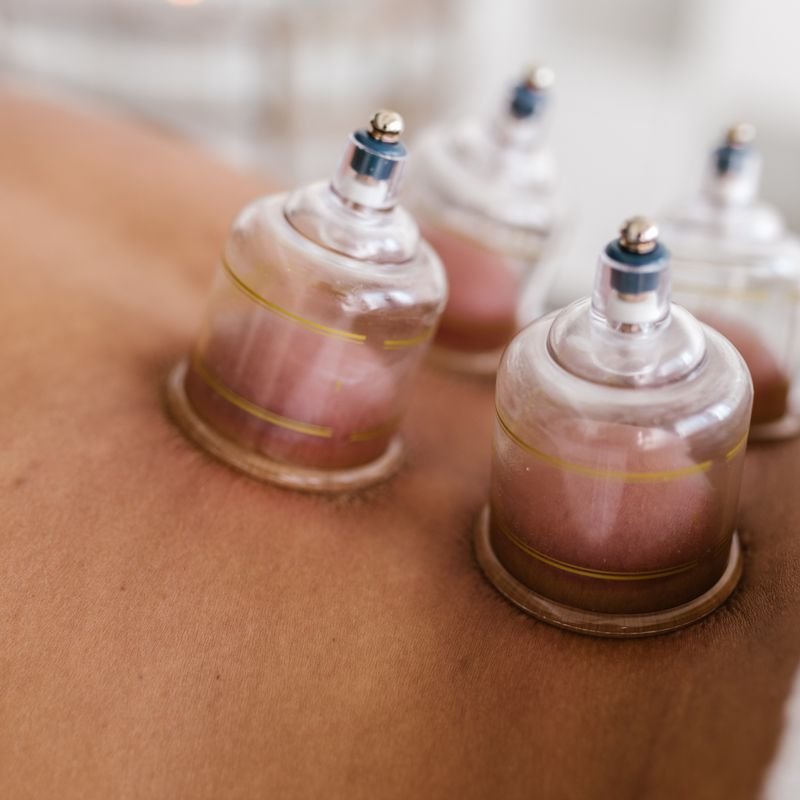
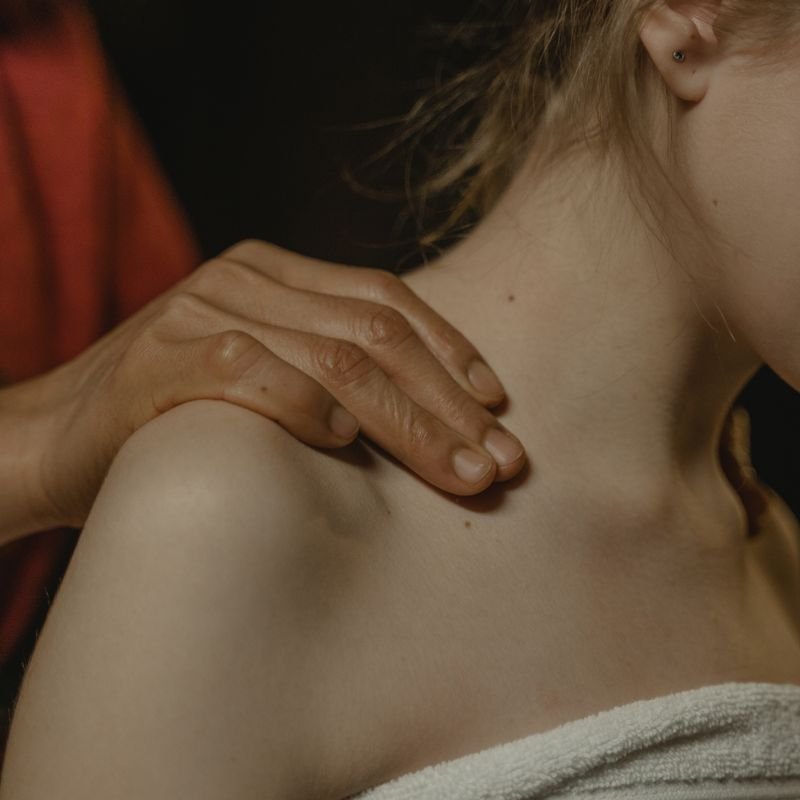
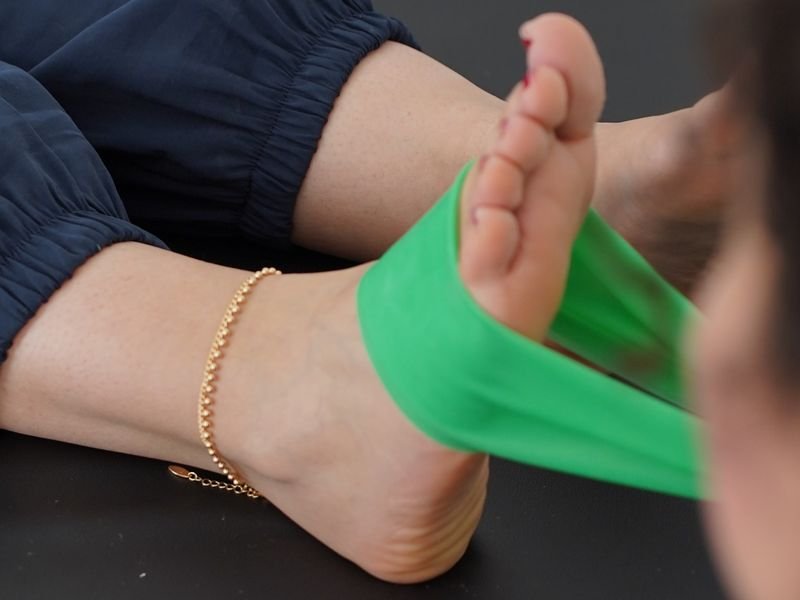
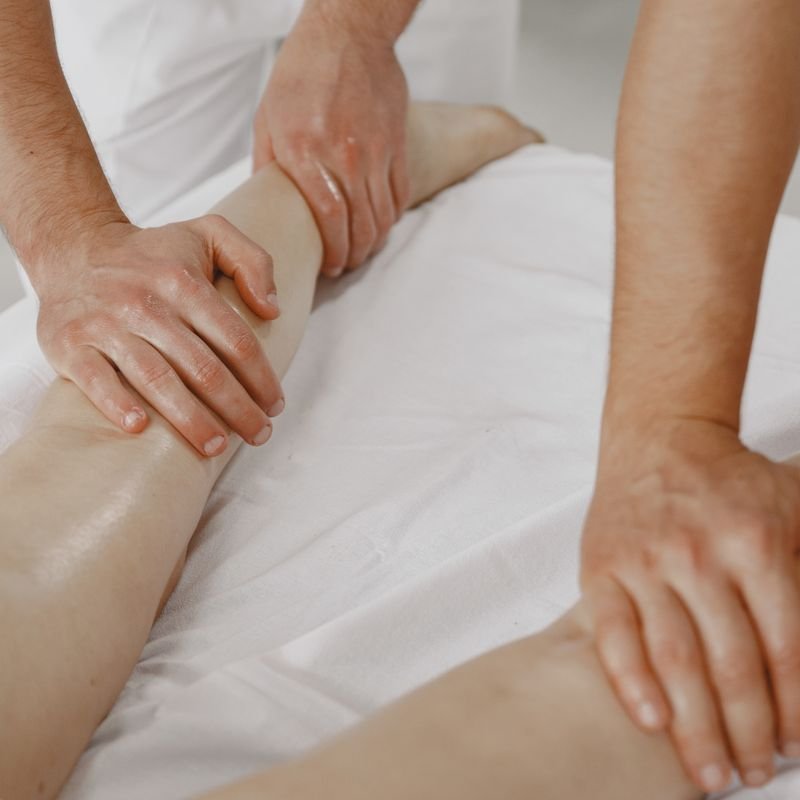
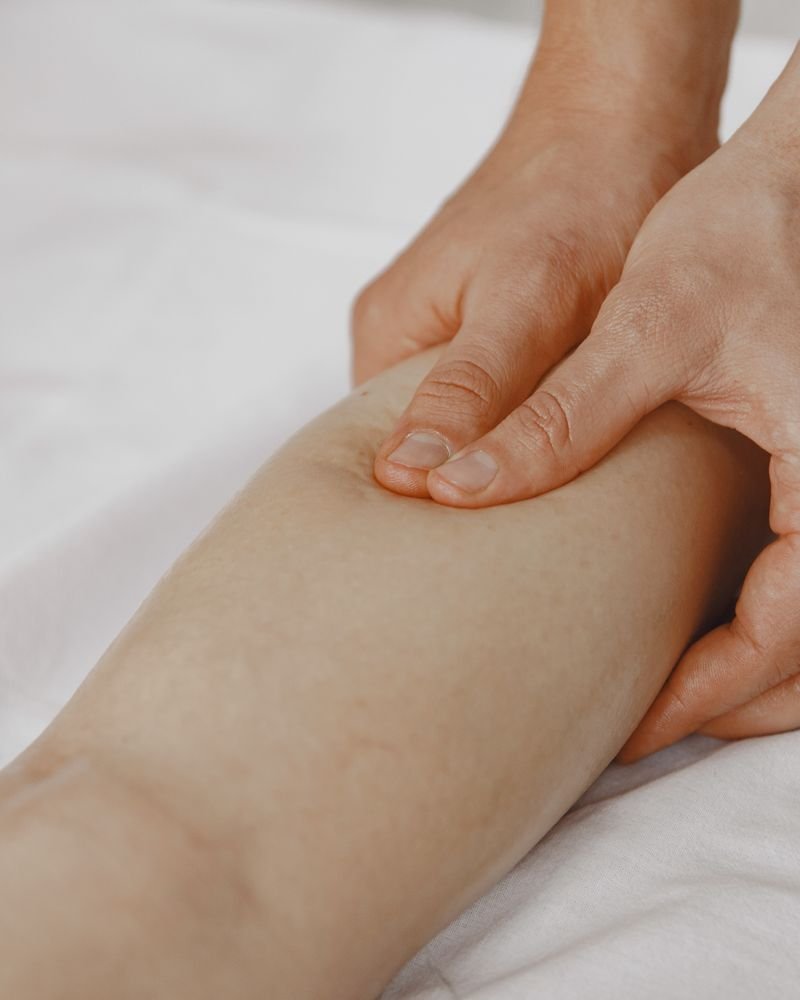
Hands-on work where it helps, plus a programme that adds load each week. You leave every session knowing exactly what to do before the next one.

Stage 03
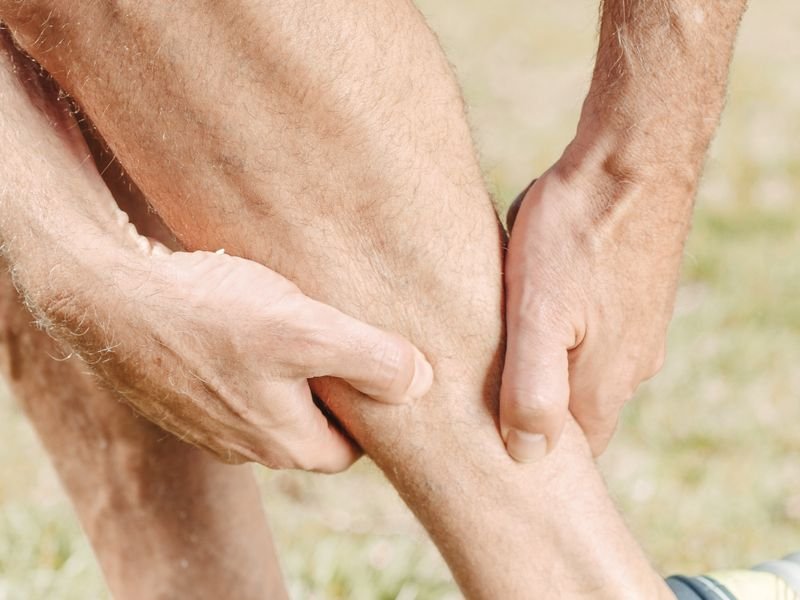
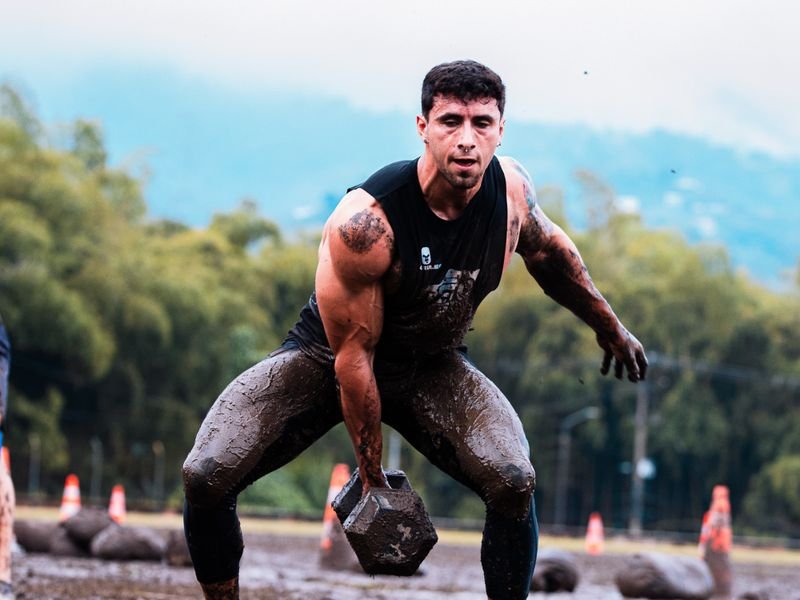
Sprinting, cutting, jumping and contact are reintroduced in order, and you are tested before each one is added.
Why it is done this way
You always know which stage you are in and what unlocks the next one.
Returning on criteria rather than on a date is what protects the repair.
Rehabilitation is strength training with a clinical reason behind it.
 Day one
Back to full training
Day one
Back to full training
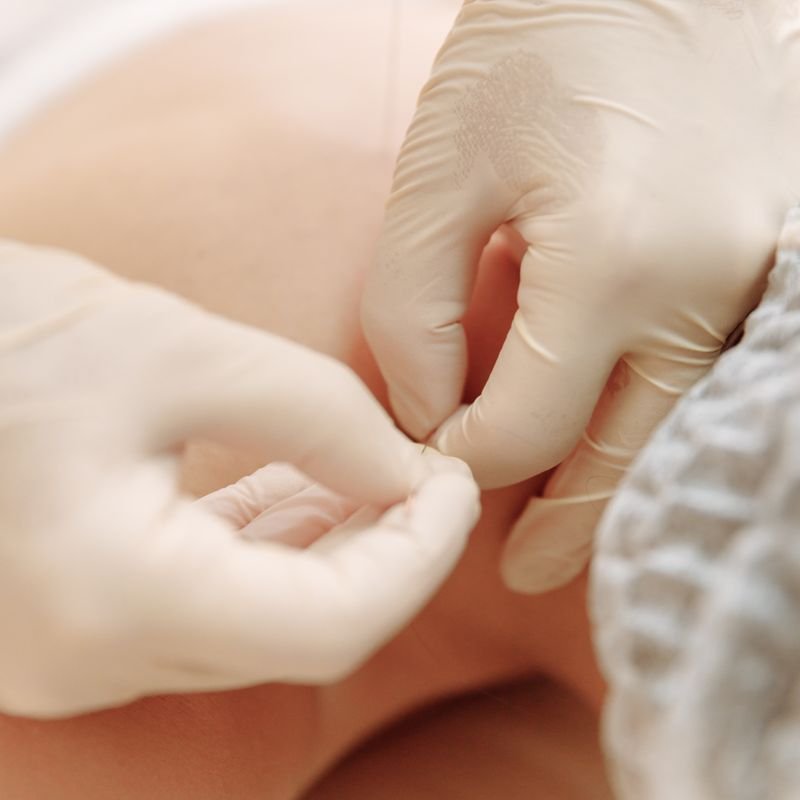
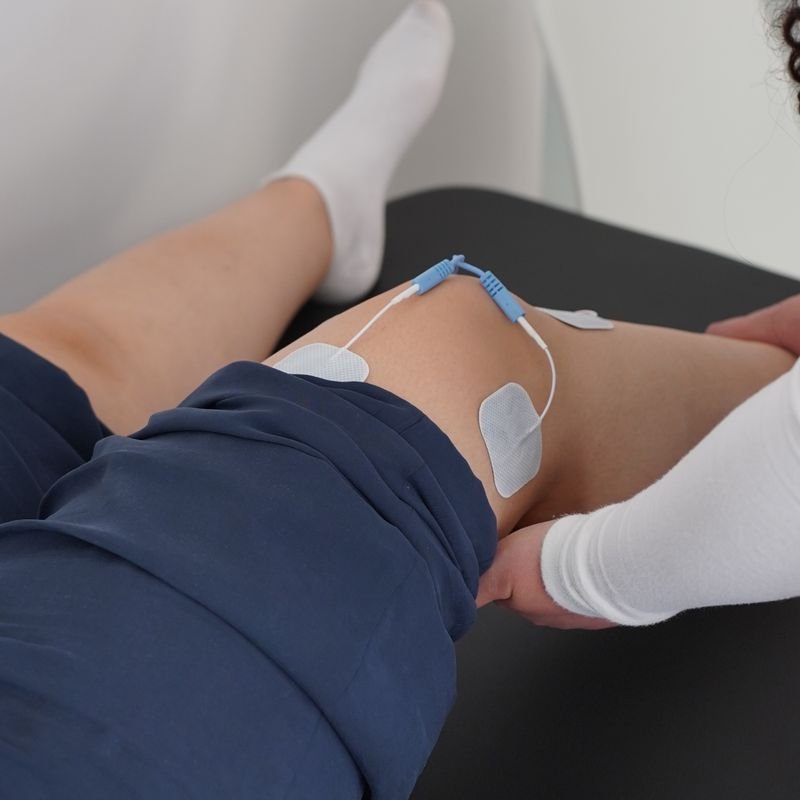
Stock photography shown for layout. Replace with consented patient photographs before launch.
Start to finish
Every stage is recorded — range, strength, posture, test scores. You see your own measurements move, which is a considerably better motivator than being told you are doing well.
Questions
Usually sooner than you expect, but differently. Most athletes keep training around the injury from the first week — we change the exercise, not the habit.
Rarely. Complete rest deconditions everything that was not injured. Volume and intensity are modified instead, unless the tissue genuinely needs offloading.
That is useful information, not something to be embarrassed about. Repeat injuries often mean the first rehabilitation stopped at pain-free rather than at ready.
Where you want it, yes. A rehabilitation plan the coach does not know about gets undone at the next training session.
Related
Backs, necks, shoulders and knees — assessed, treated and retrained.
Learn moreStructured recovery after surgery, fracture or joint replacement.
Learn moreRebuilding movement, control and independence after neurological injury.
Learn more
Send a message describing the problem. You will get an honest answer about whether this is the right place to start.