
Stage 01
Assessment and reassurance
A developmental and movement assessment at the child's pace, and a clear answer on whether what you have noticed needs treating at all.
Gentle, play-led therapy for children's movement and development.
Pediatric Physiotherapy
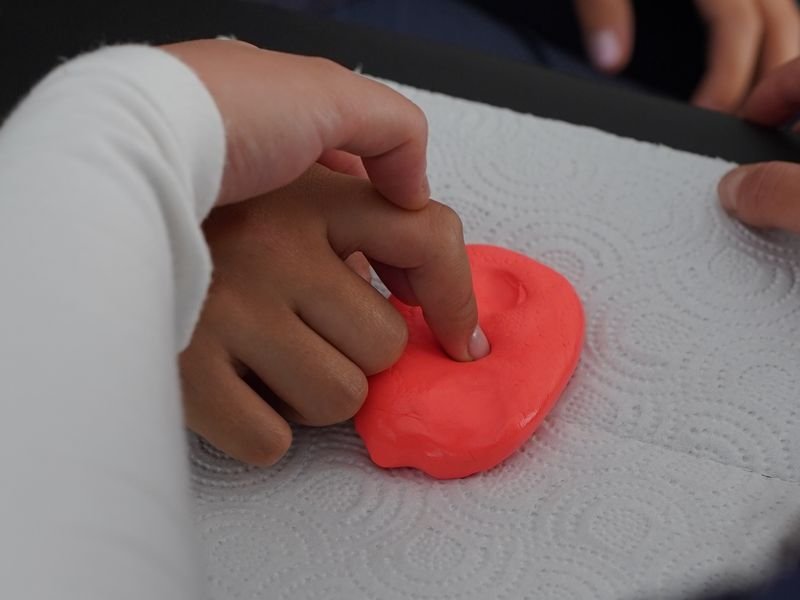
Children are not small adults. They do not follow a programme because it is sensible, and they do not report symptoms the way adults do. Paediatric physiotherapy works through play, because play is how a child practises movement willingly and often enough for it to matter.
Reasons for a referral vary widely: delayed milestones, toe-walking, low tone, torticollis, a sports injury in a growing athlete, or a parent who simply noticed something about how their child moves and wants it looked at.
Play-led sessionsThe exercise is hidden inside a game the child wants to play.
Parents are part of itYou learn what to practise, and when to leave it alone.
Growth-awareGrowing bodies load and heal differently from adult ones.
Honest about referralIf a child needs a paediatrician or specialist, you are told.
How it is staged
Each stage ends with a decision point — nothing moves forward on autopilot.
Stage 01
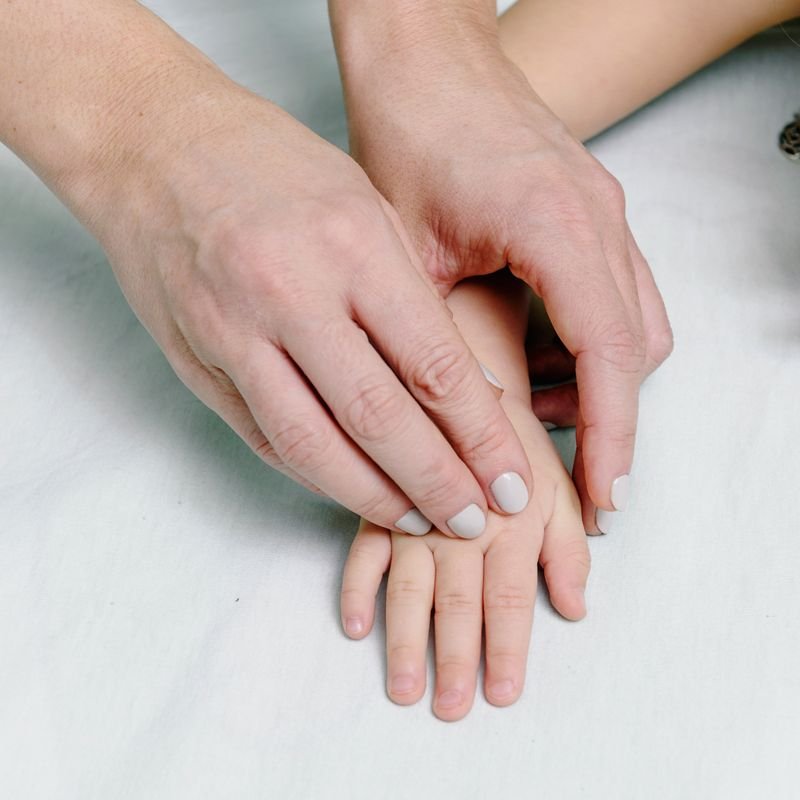
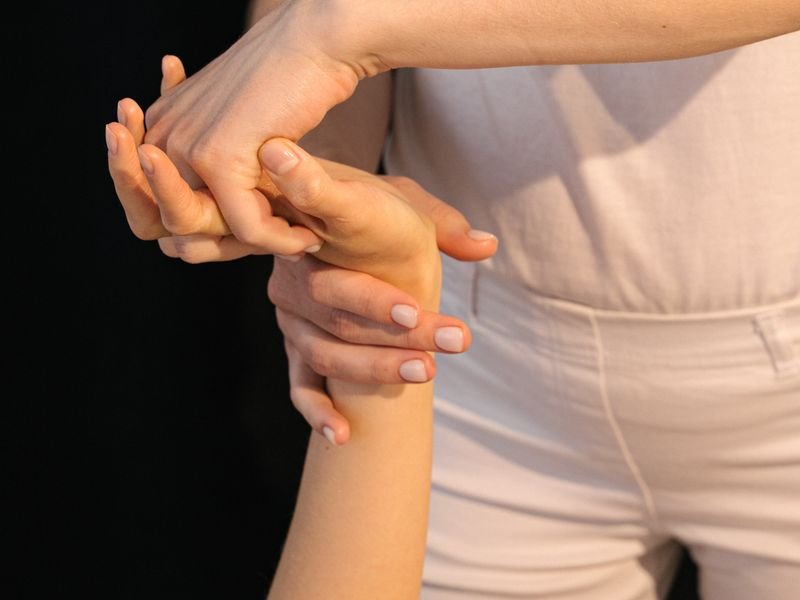
A developmental and movement assessment at the child's pace, and a clear answer on whether what you have noticed needs treating at all.
Stage 02
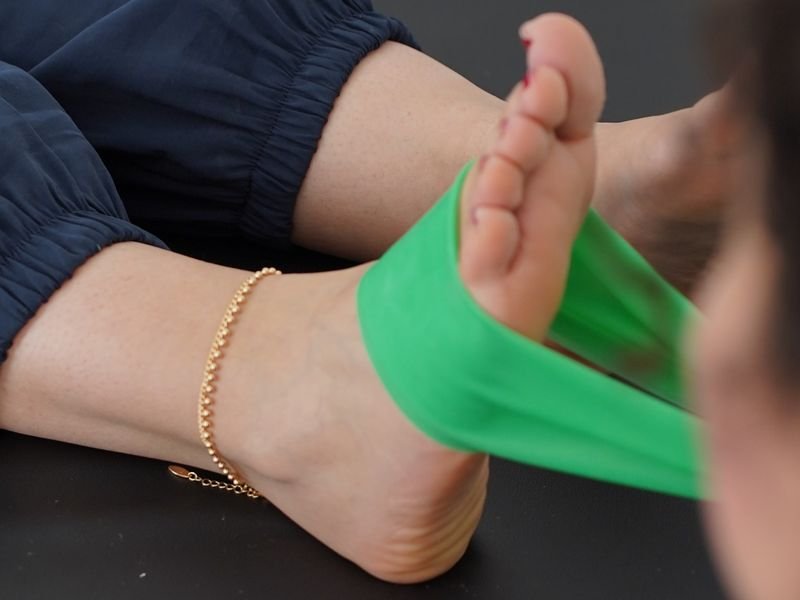
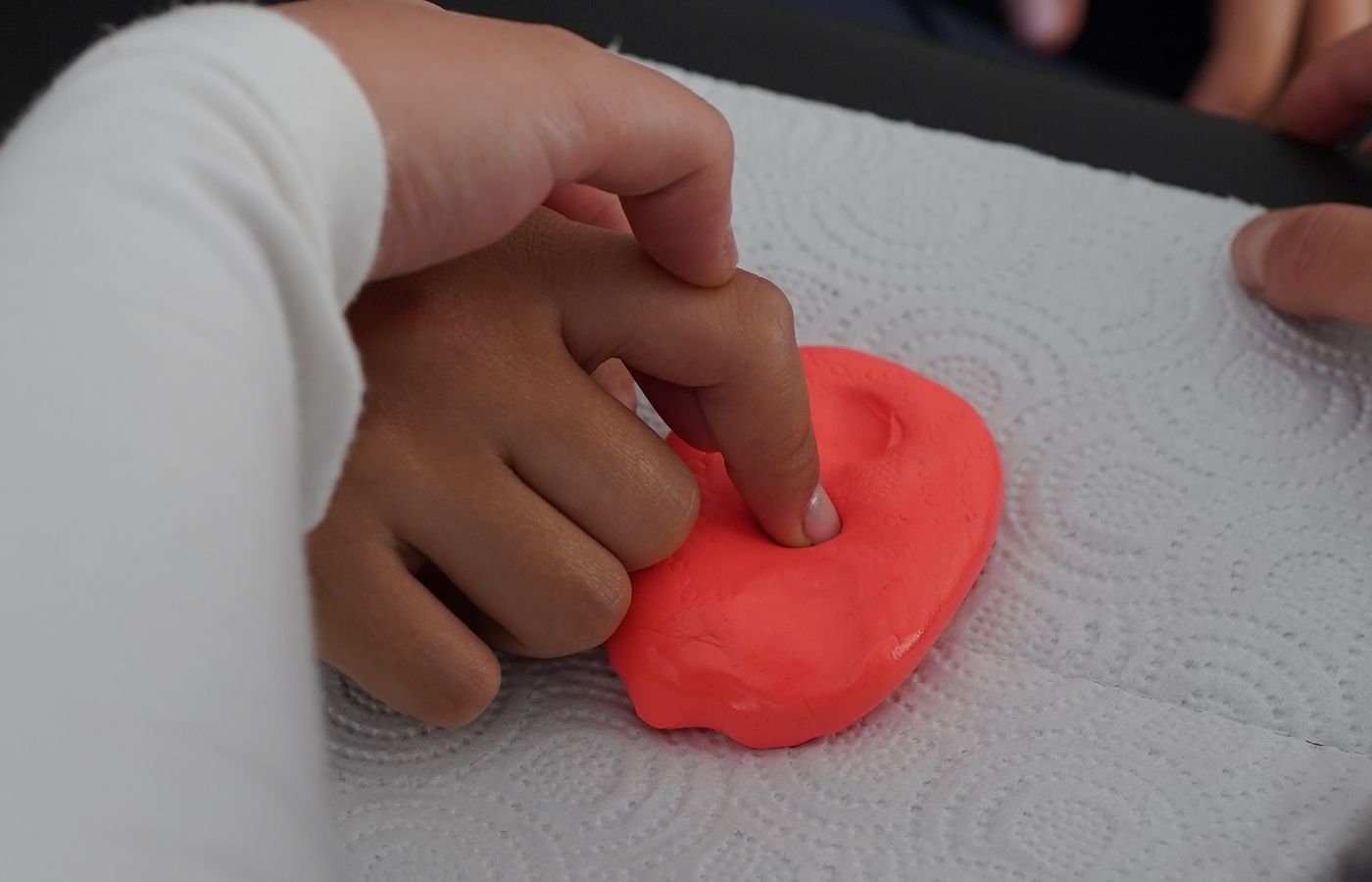
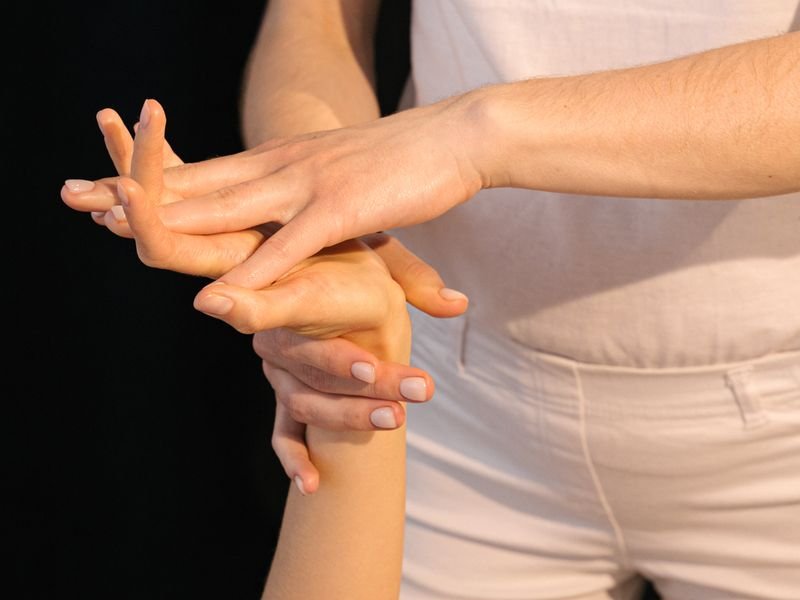
Short, varied activities that train the specific movement — balance, strength, coordination or range — without the child experiencing it as therapy.
Stage 03
A handful of things to practise at home, built into routines that already exist rather than added as another daily chore.
Why it is done this way
Sessions are paced and pitched for a child's attention, not an adult's.
You find out what is normal variation and what needs attention.
Children who feel capable move more, which drives the rest.
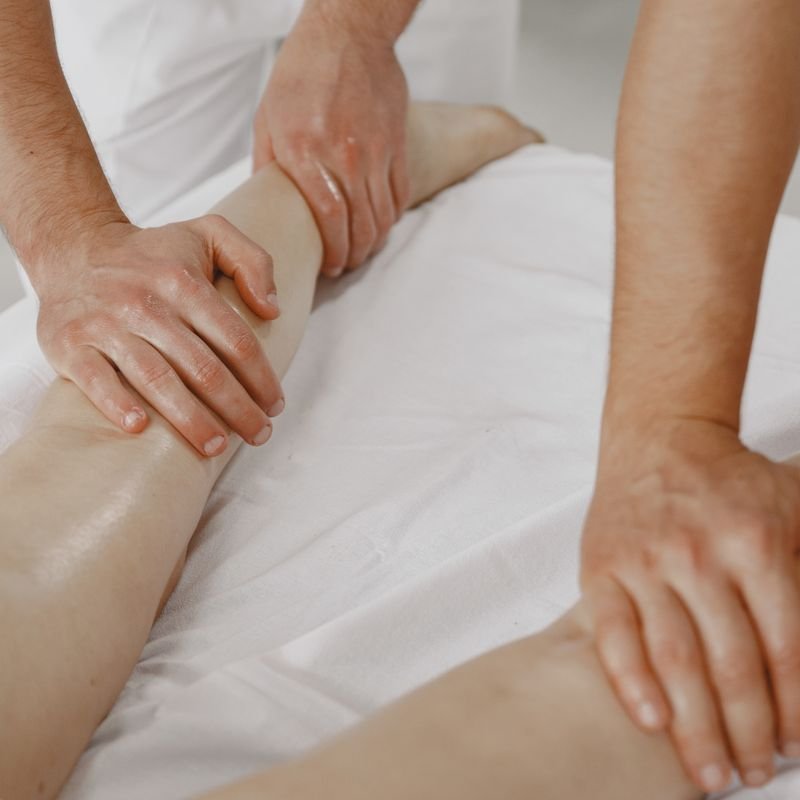
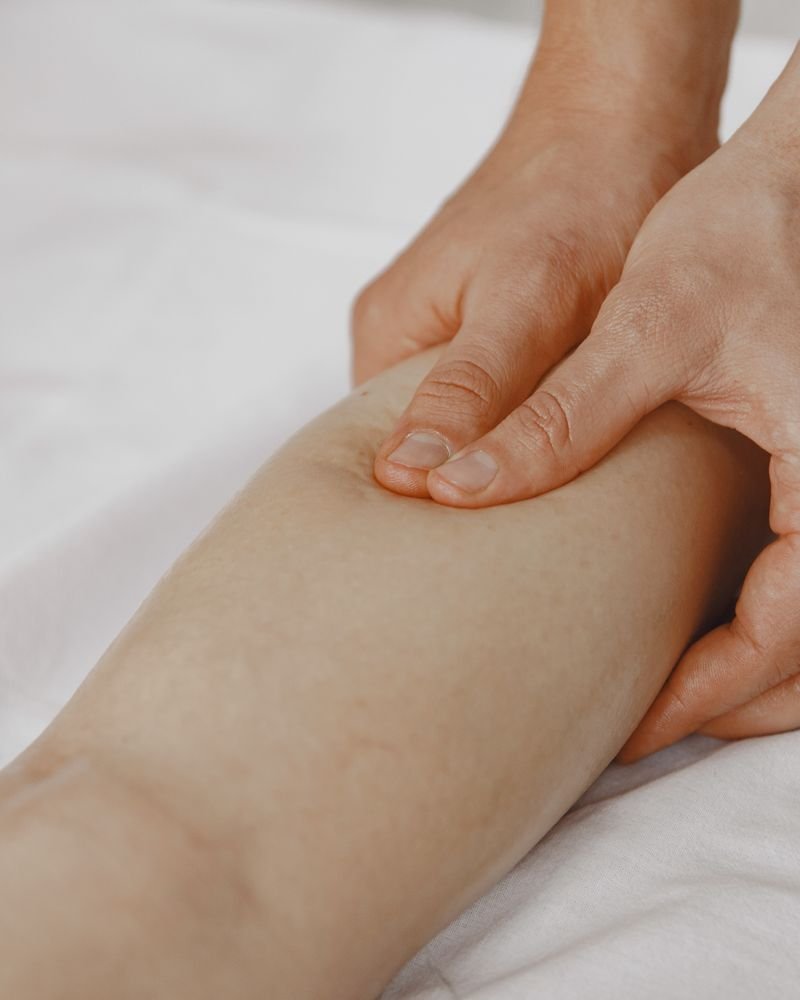 First assessment
Moving confidently
First assessment
Moving confidently
Stock photography shown for layout. Replace with consented patient photographs before launch.
Start to finish
Every stage is recorded — range, strength, posture, test scores. You see your own measurements move, which is a considerably better motivator than being told you are doing well.
Questions
Usually not — the normal range for walking is wide. An assessment is still worthwhile, because it either reassures you properly or finds something while it is easy to address.
No. A child who resists the session stops learning from it. Activities are chosen so the child co-operates, and the difficulty is raised inside the game.
Yes, and for younger children it is better that you do. Part of the session is teaching you the handling and the home programme.
Not for an assessment. If anything found suggests a paediatric or specialist opinion is needed, you will be told clearly and directed to the right place.
Related
Backs, necks, shoulders and knees — assessed, treated and retrained.
Learn moreStructured recovery after surgery, fracture or joint replacement.
Learn more
Send a message describing the problem. You will get an honest answer about whether this is the right place to start.