
Stage 01
Early phase
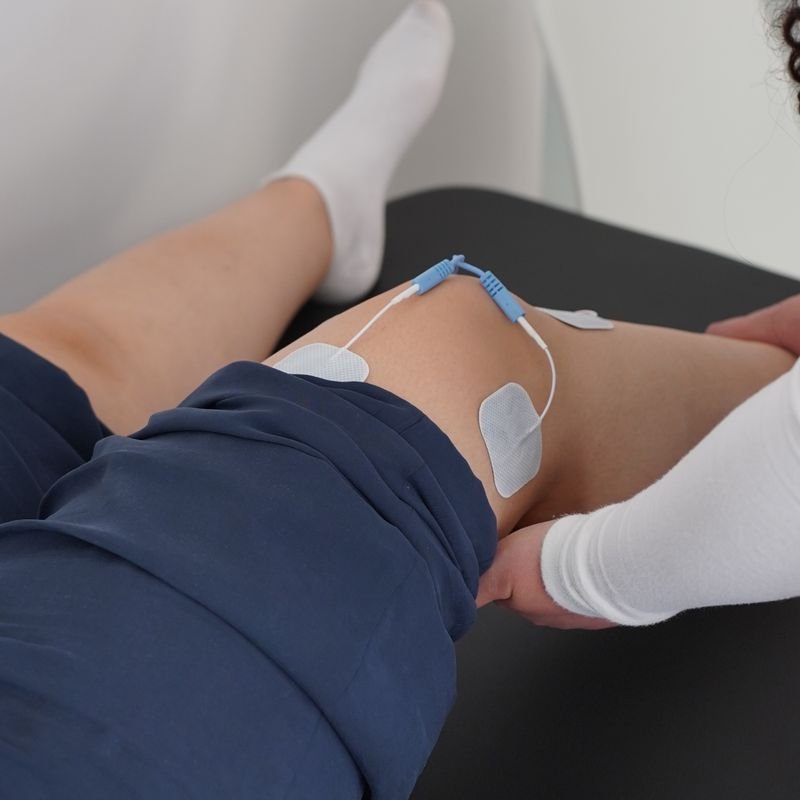
Protecting the repair, managing swelling and pain, restoring the range that is safe to restore, and keeping the rest of the body conditioned.
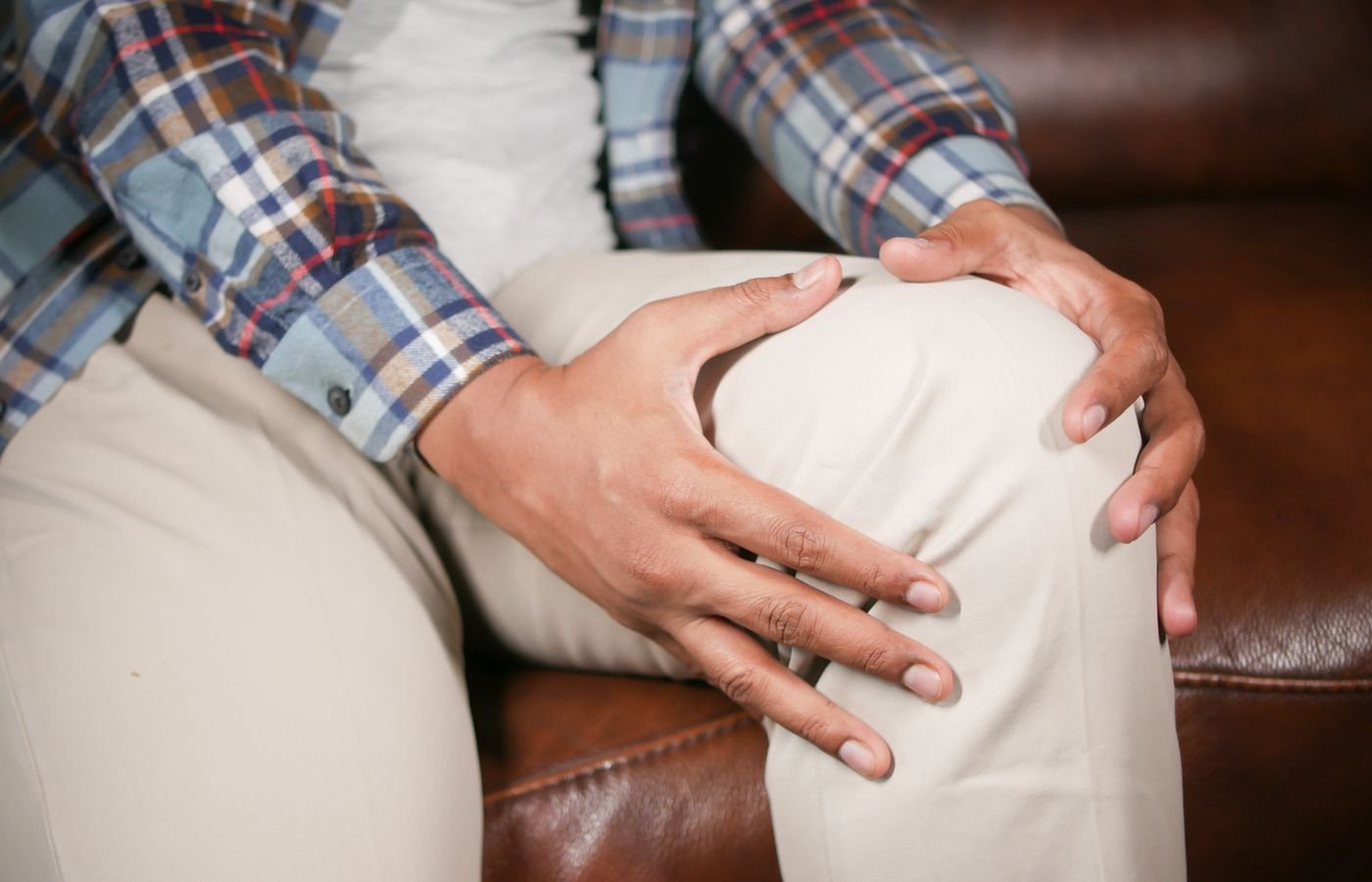
Structured recovery after surgery, fracture or joint replacement.
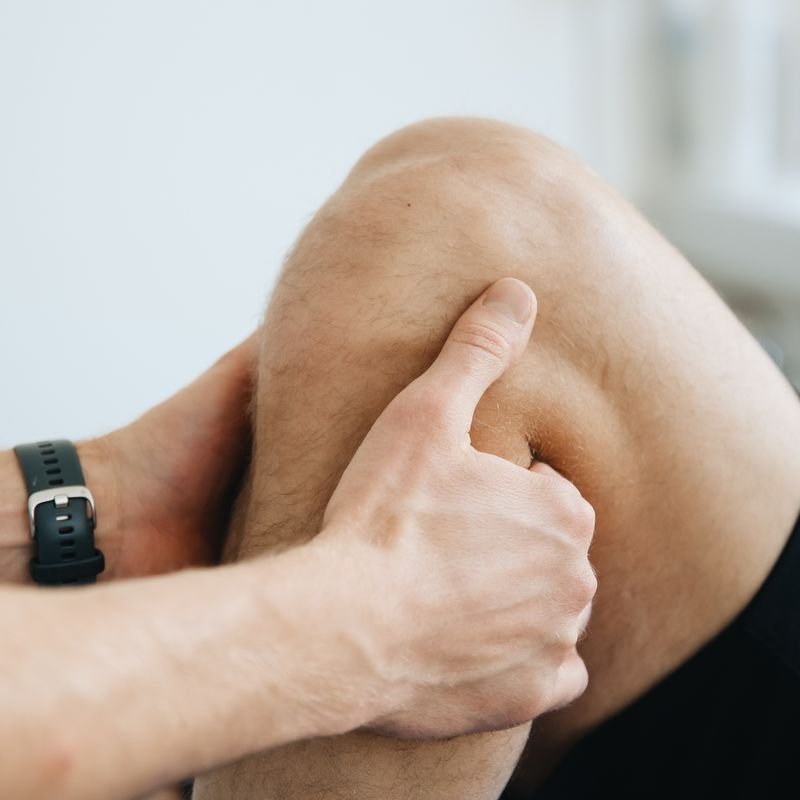
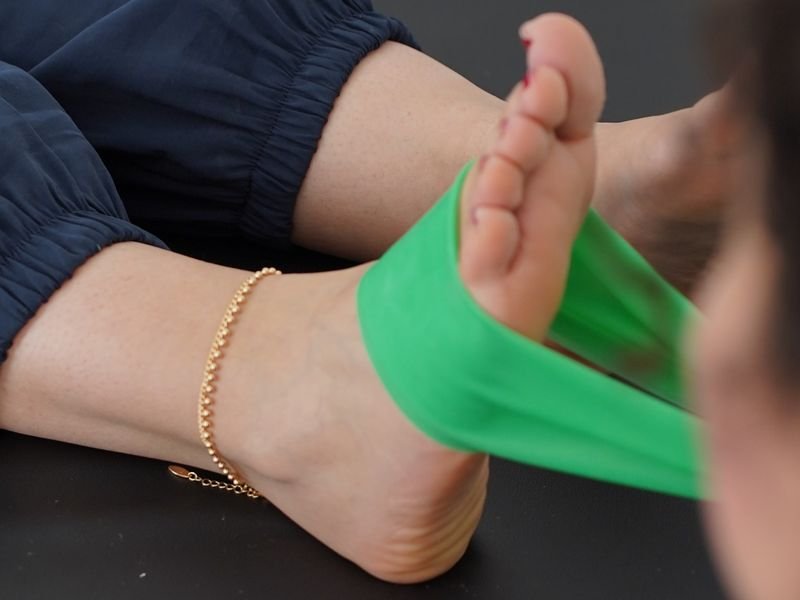
Orthopedic & Post-Operative Rehab
Surgery repairs a structure. It does not restore the strength, range and confidence that were lost before and during the operation — that is what rehabilitation is for, and it is the part that decides how the joint feels in a year's time.
Post-operative rehab is staged. Early on, the job is protecting the repair while keeping everything else moving. Later it becomes ordinary strength work. Rushing the first phase and skipping the last are the two common ways recovery goes wrong.
Protocol-awareThe surgeon's restrictions are respected to the letter.
Staged progressionEach phase has an entry criterion, not just a date.
Swelling and range firstEarly control of swelling and stiffness makes later strength possible.
Finished properlyRehab ends when function returns, not when pain stops.
How it is staged
Each stage ends with a decision point — nothing moves forward on autopilot.
Stage 01
Protecting the repair, managing swelling and pain, restoring the range that is safe to restore, and keeping the rest of the body conditioned.

Stage 02
Progressive loading of the operated joint and everything around it, with range and strength measured so progression is based on evidence.
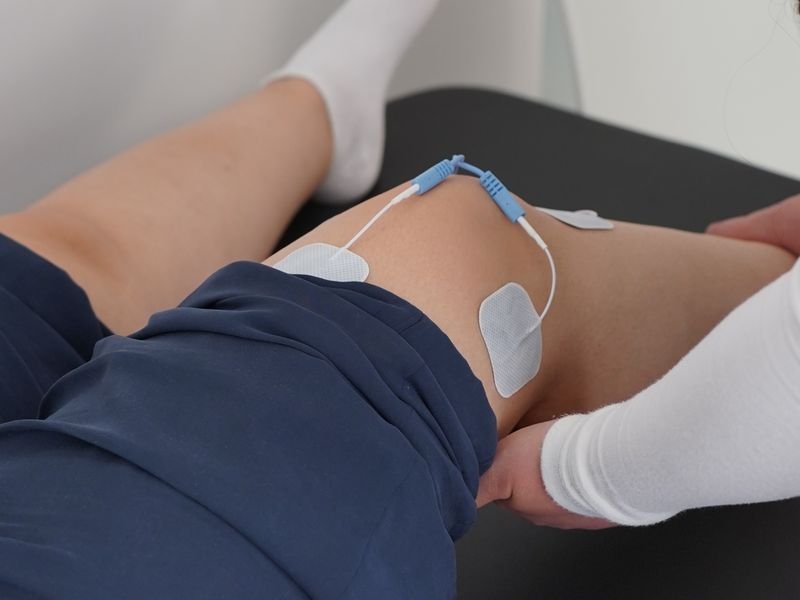
Stage 03
Stairs, walking distance, lifting, squatting, driving, sport — whatever the goal was, trained specifically until it is comfortable again.
Why it is done this way
Range and strength rebuilt to the level the joint is asked to work at.
You know which phase you are in and what moves you to the next.
Most post-op stiffness is protective. Graded exposure is what resolves it.
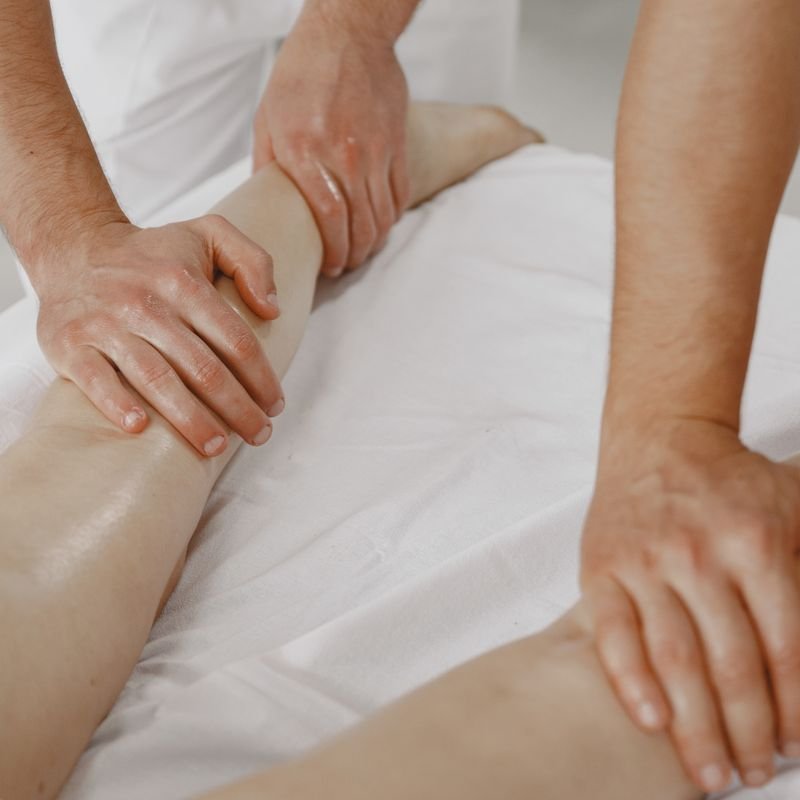
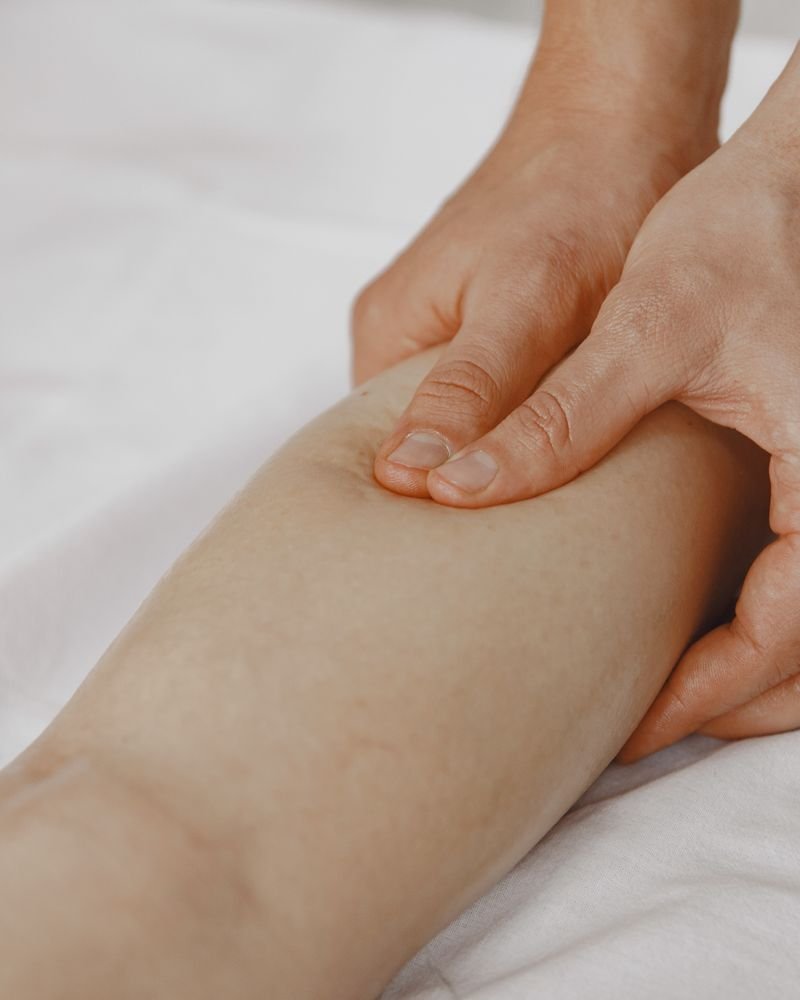 Post-op week one
Back to normal life
Post-op week one
Back to normal life
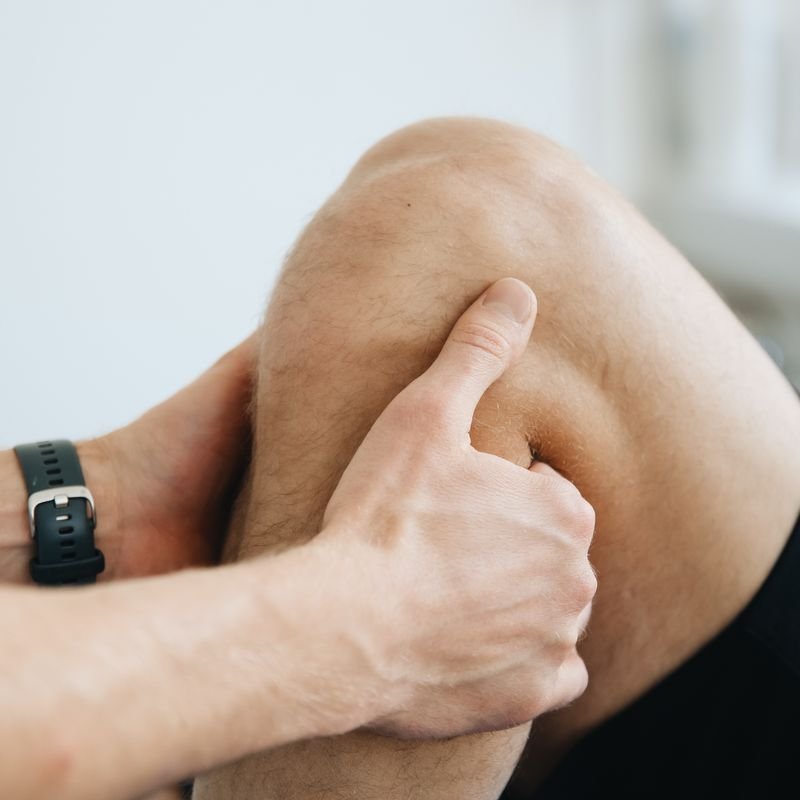
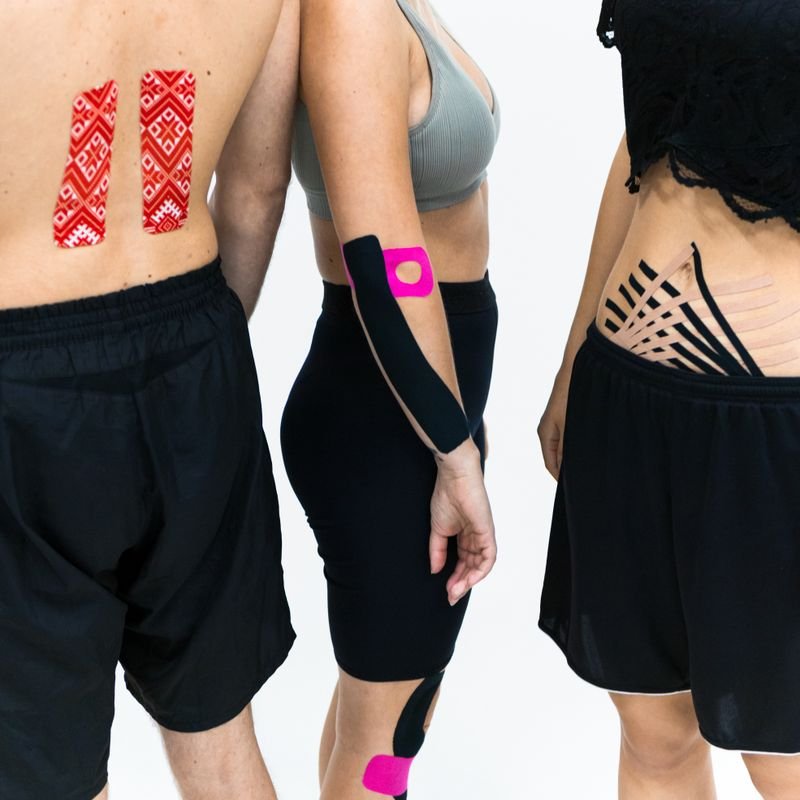
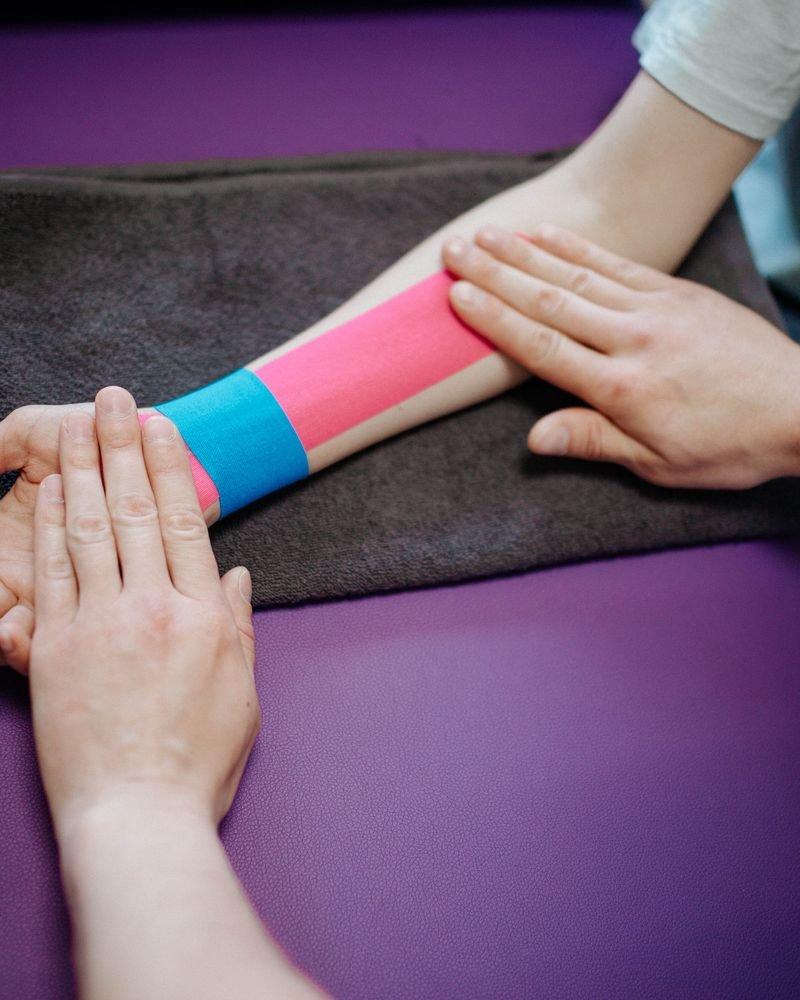
Stock photography shown for layout. Replace with consented patient photographs before launch.
Start to finish
Every stage is recorded — range, strength, posture, test scores. You see your own measurements move, which is a considerably better motivator than being told you are doing well.
Questions
Often within days, with gentle, protected work — but it depends entirely on the procedure and your surgeon's instructions. Bring any written protocol or restrictions to the first session.
Usually yes. Strength and range respond to training long after the surgical healing is finished, and many late problems are weakness rather than damage.
The same principles apply. Once the fracture is stable and your doctor clears loading, stiffness and weakness from the immobilisation are what need work.
Where it helps and you agree to it, yes. Rehab that contradicts the surgical plan is worse than no rehab at all.
Related
Backs, necks, shoulders and knees — assessed, treated and retrained.
Learn moreRebuilding movement, control and independence after neurological injury.
Learn more
Send a message describing the problem. You will get an honest answer about whether this is the right place to start.