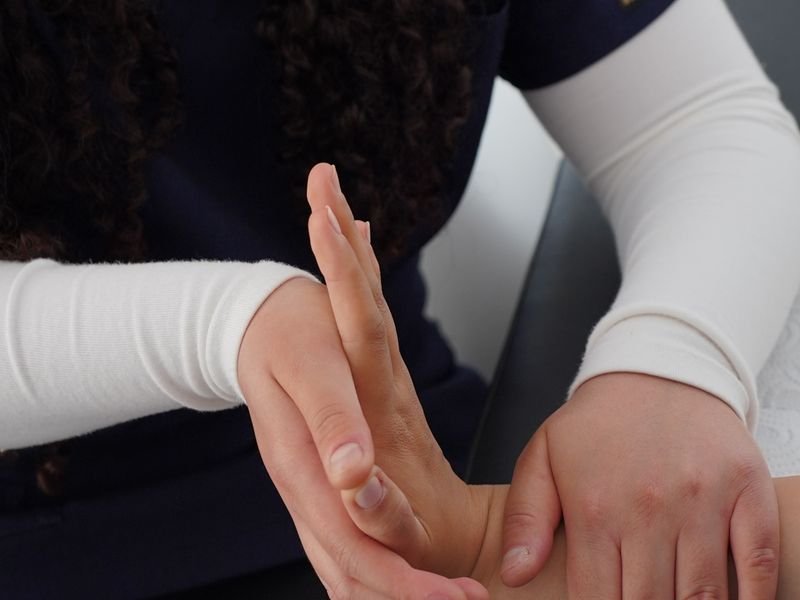
Stage 01
Comprehensive assessment
Tone, strength, sensation, balance, gait and the practical tasks that matter most to you — assessed and recorded so change can be measured.
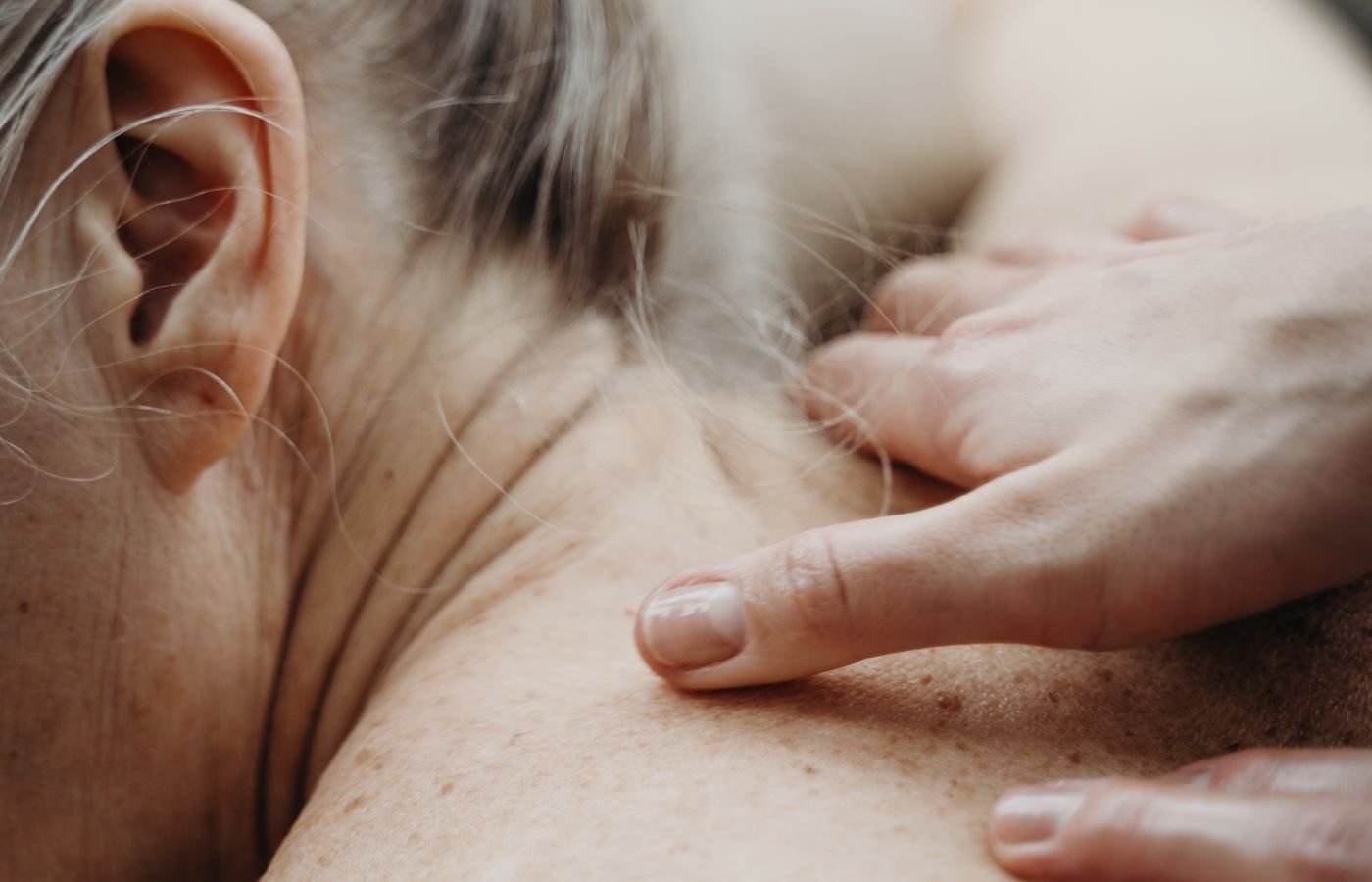
Rebuilding movement, control and independence after neurological injury.
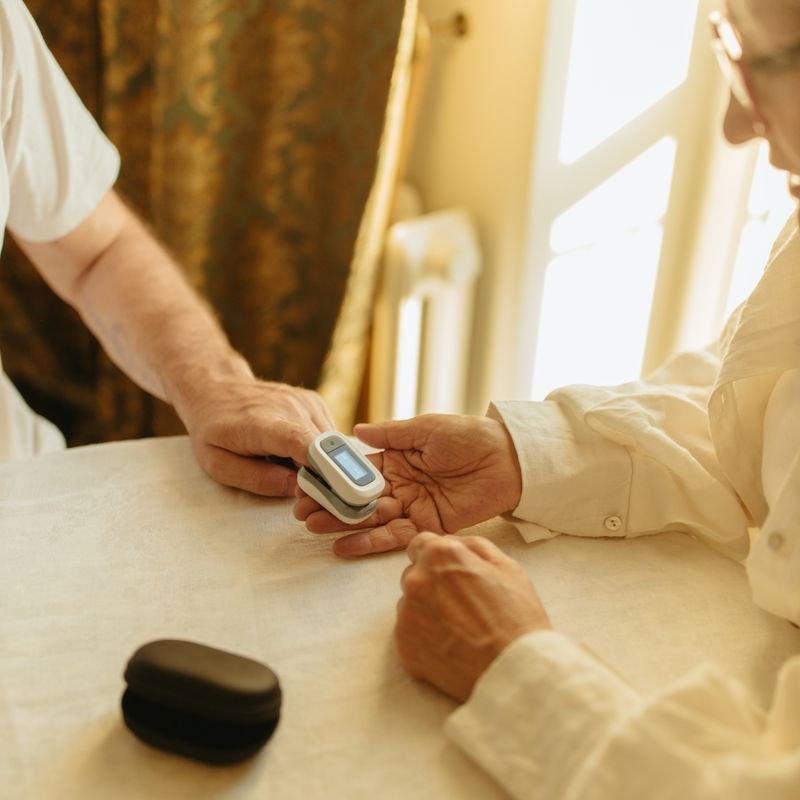
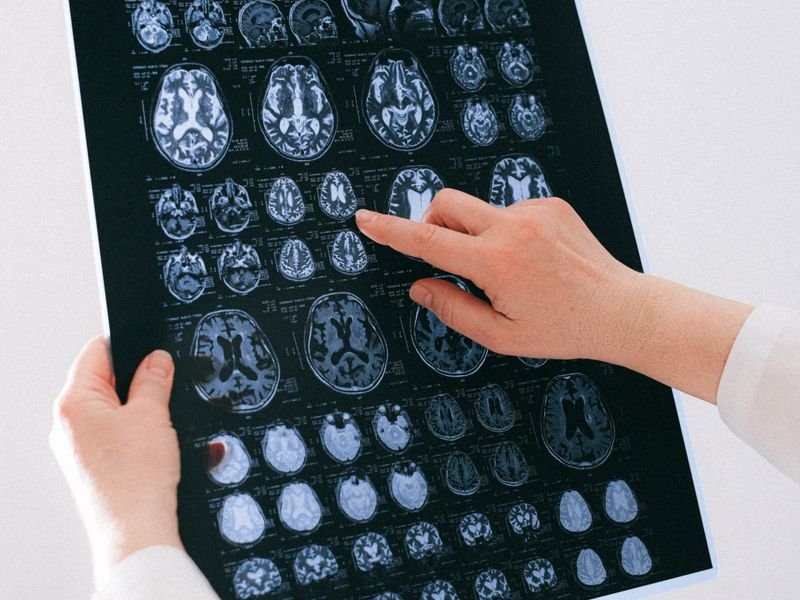
Neurological Physiotherapy
After a stroke, a spinal cord injury, or with a condition such as multiple sclerosis or Parkinson's, the limitation is usually not the muscle itself — it is the control of it. Strength, balance and coordination have to be relearned rather than simply trained.
Neurological physiotherapy works with that. Sessions use repetition, specific practice of the task you actually want back, and careful progression of difficulty, so the nervous system has a reason to adapt.
Task-specific practiceWe train the movement you want back, not an abstraction of it.
Repetition that countsEnough quality repetitions to drive real change.
Balance and fallsStanding, turning and walking trained in graded, safe steps.
Family includedCarers learn the handling and the home programme too.
How it is staged
Each stage ends with a decision point — nothing moves forward on autopilot.
Stage 01
Tone, strength, sensation, balance, gait and the practical tasks that matter most to you — assessed and recorded so change can be measured.
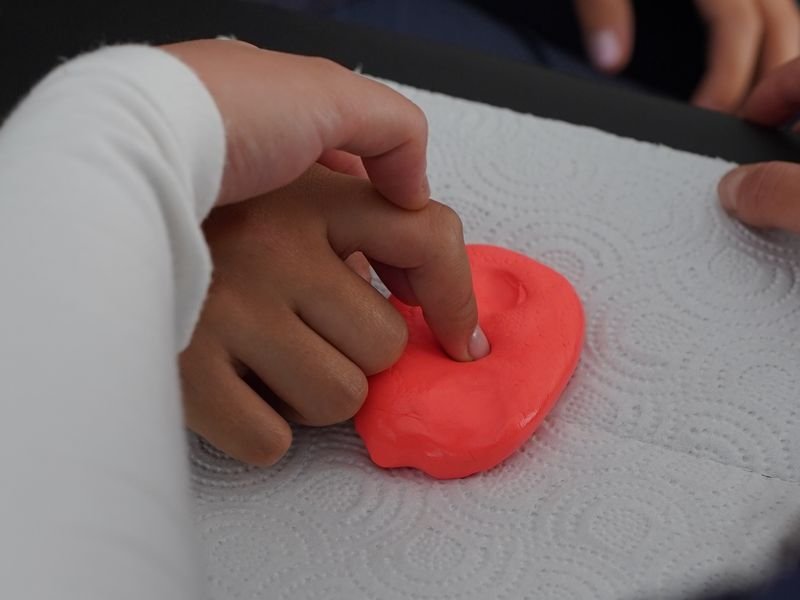
Stage 02
Repeated, specific practice with hands-on facilitation where it is needed, progressing from supported to independent as control returns.
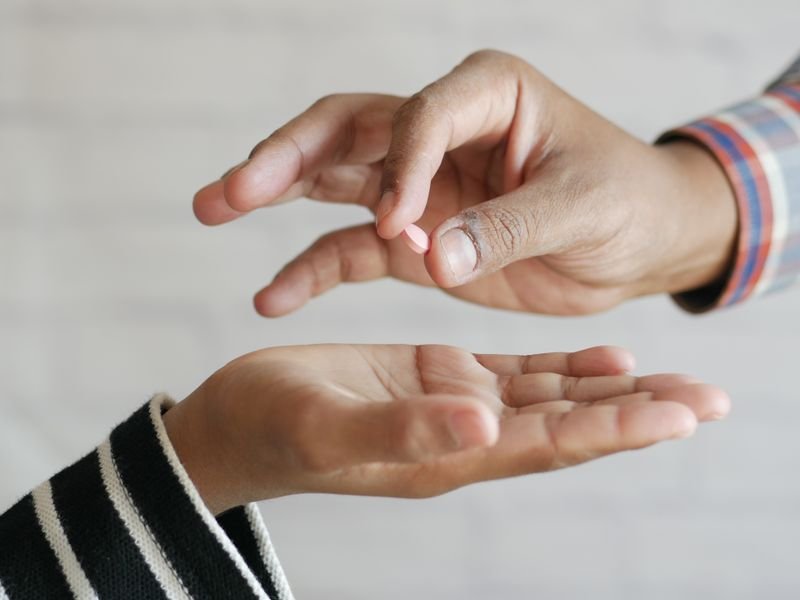
Stage 03
Transfers, walking, stairs and daily tasks trained to the level you need, with a home programme that keeps the gains.
Why it is done this way
Control and coordination are trained directly.
Carers are shown how to help without doing the work for you.
Objective markers show change that is easy to miss day to day.
 Supported
Independent
Supported
Independent
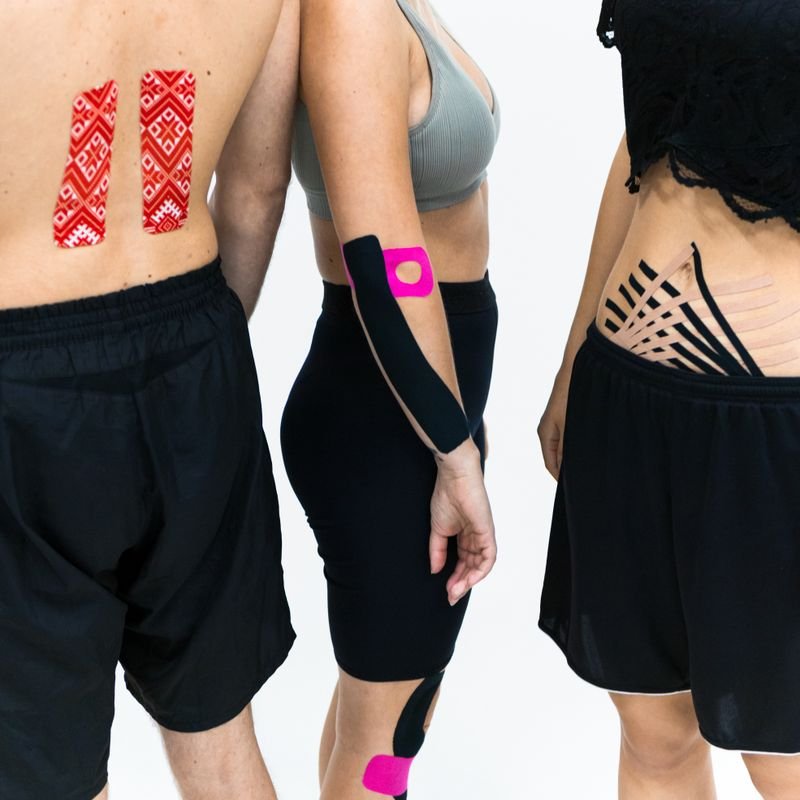
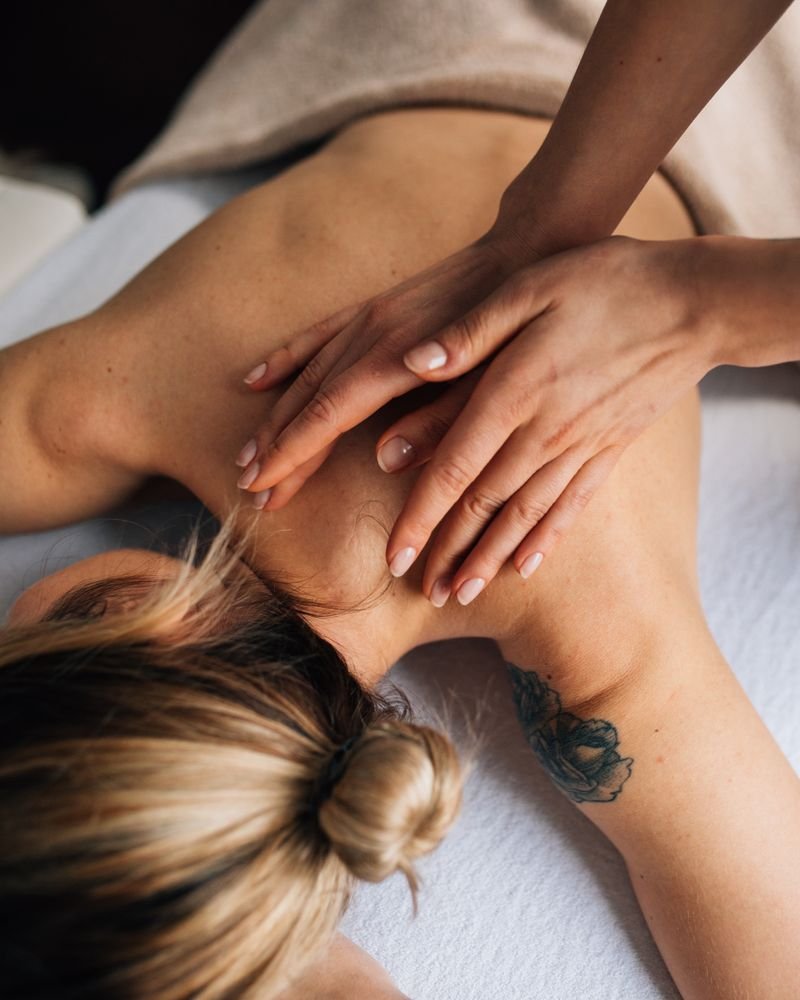
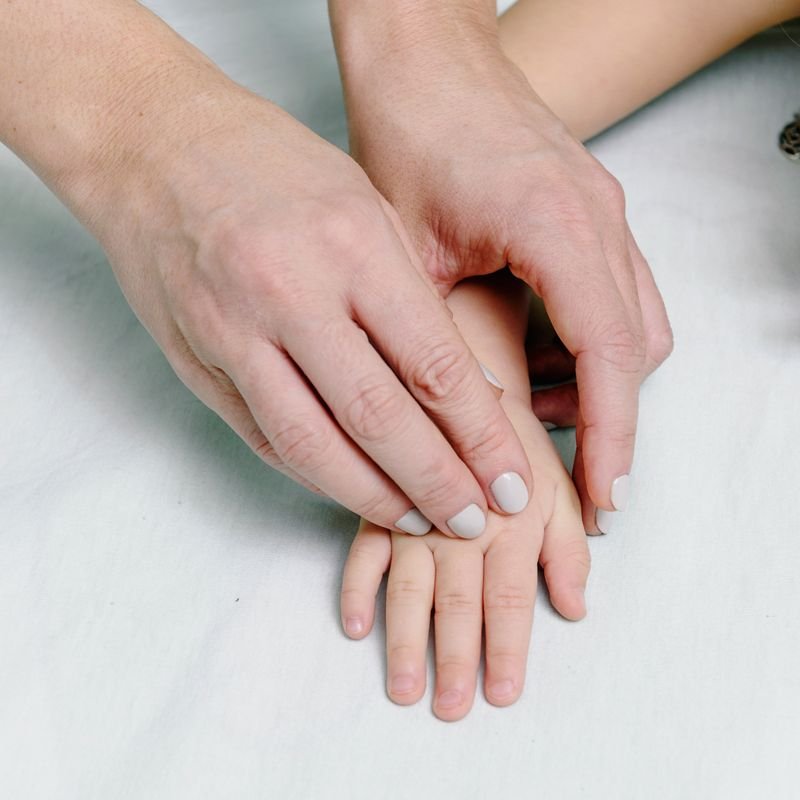
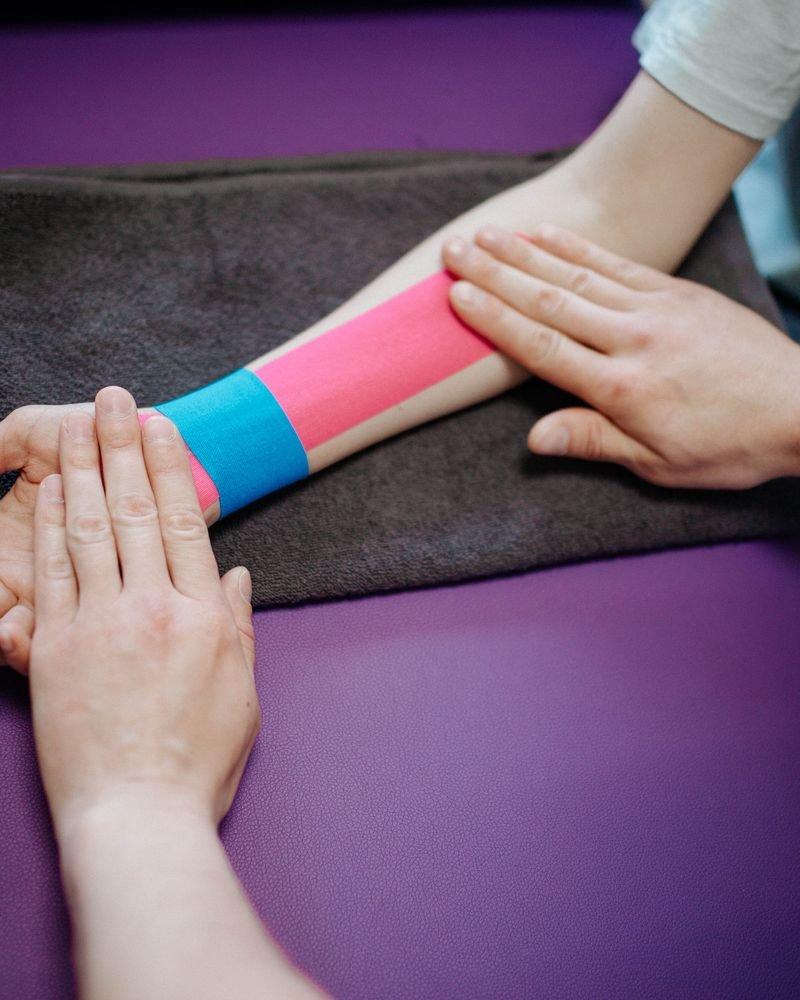
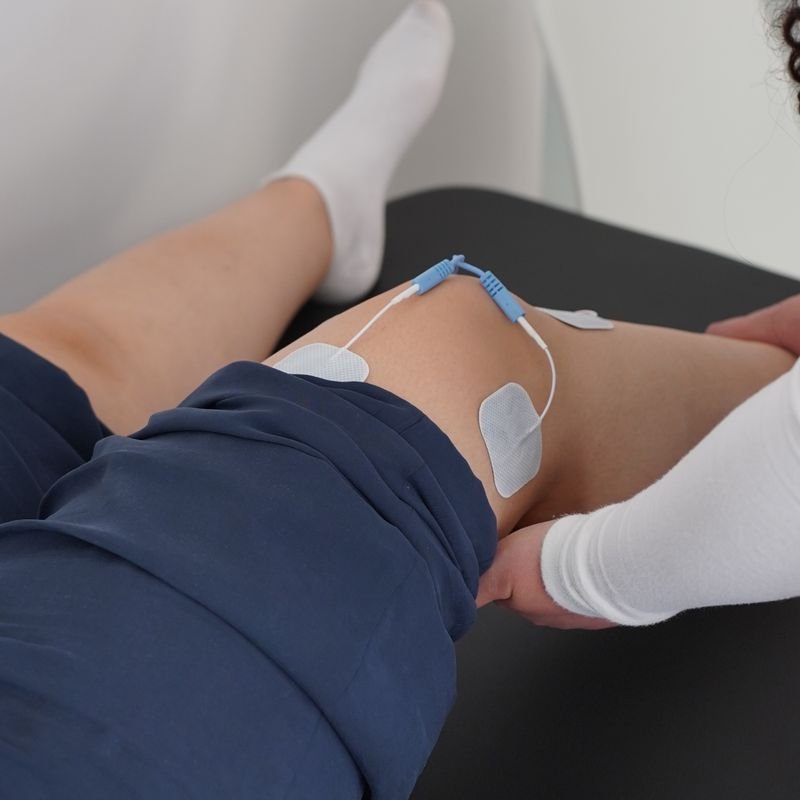
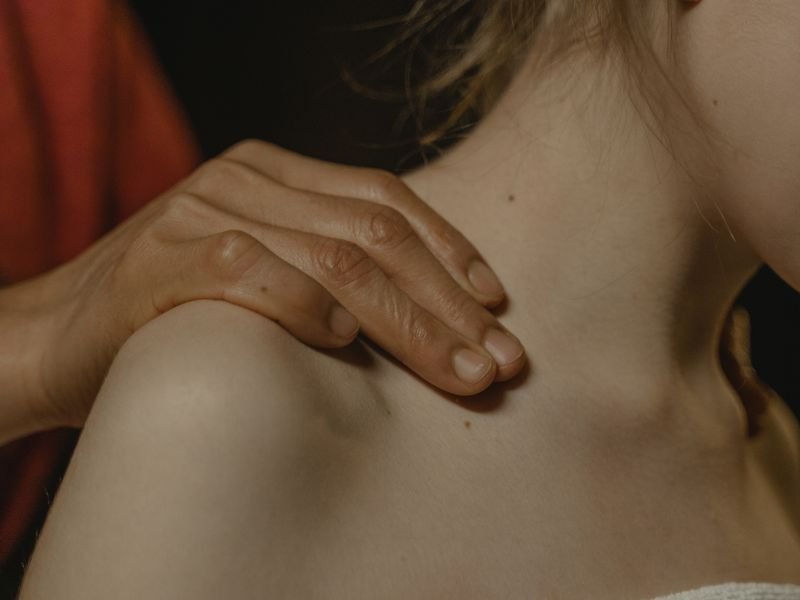
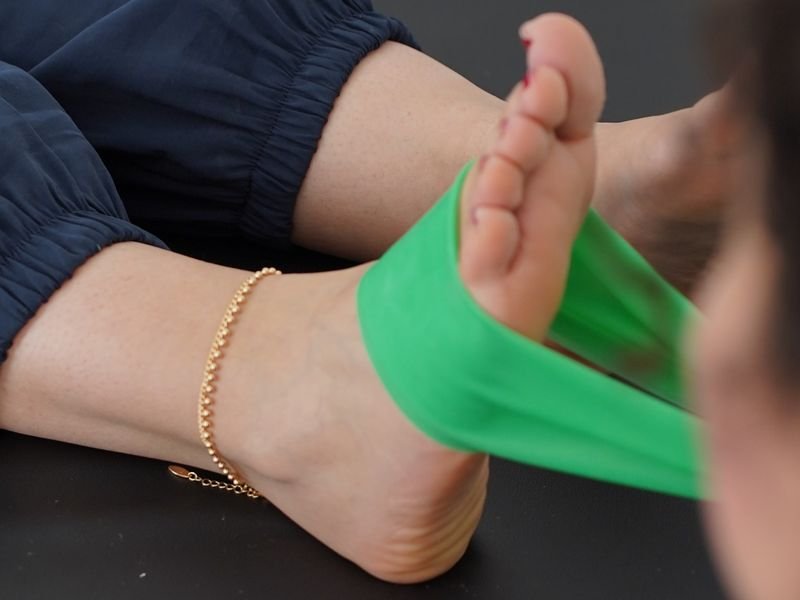
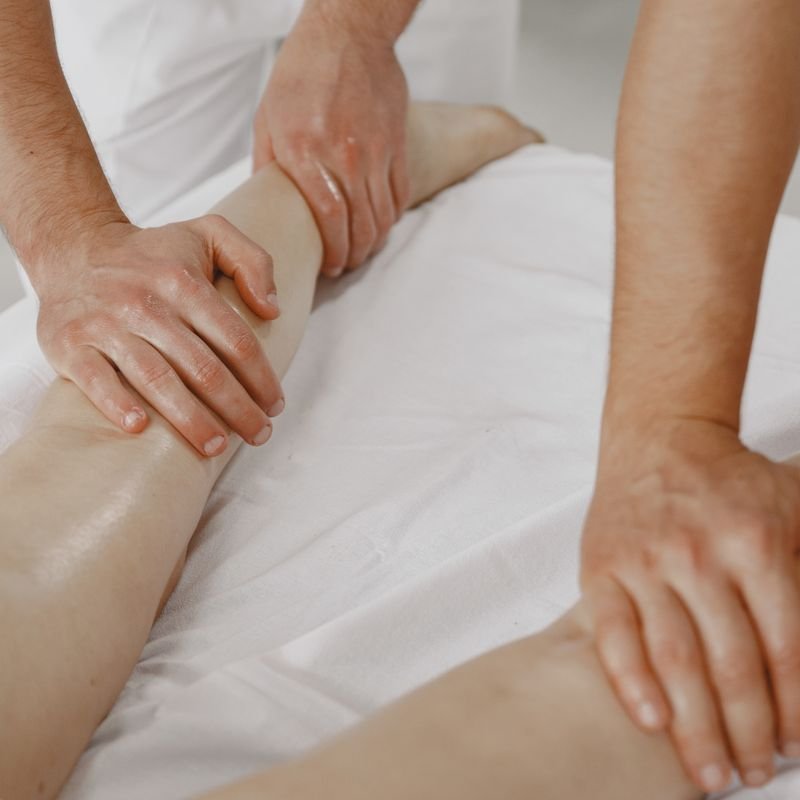
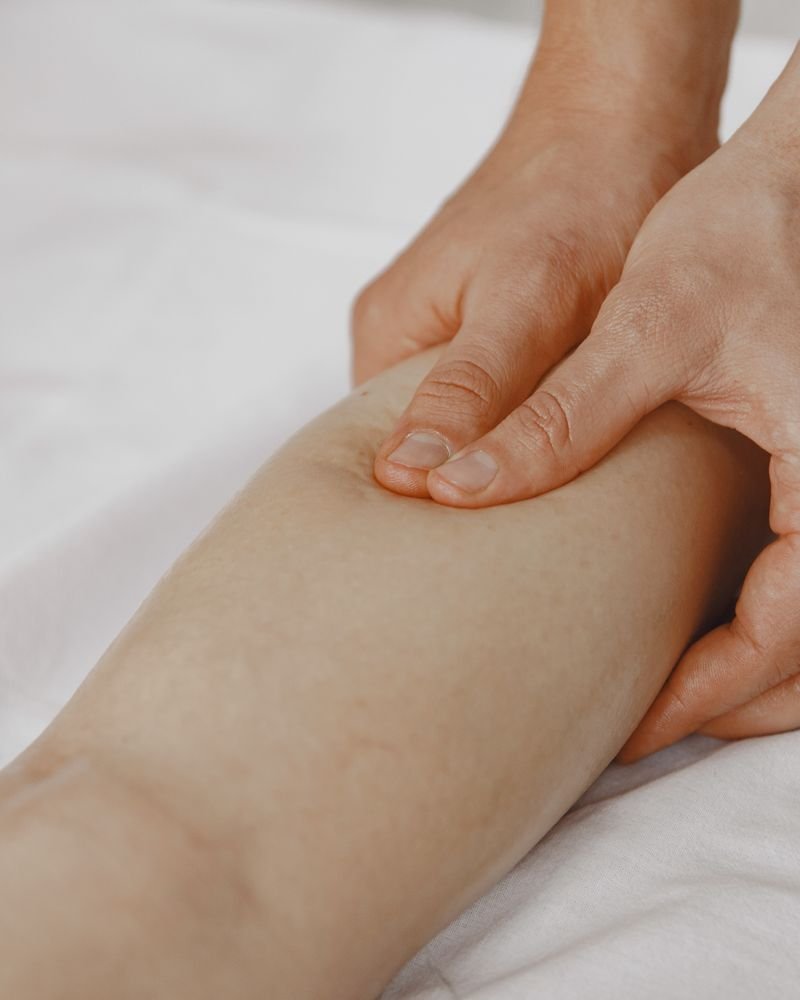
Stock photography shown for layout. Replace with consented patient photographs before launch.
Start to finish
Every stage is recorded — range, strength, posture, test scores. You see your own measurements move, which is a considerably better motivator than being told you are doing well.
Questions
Longer than musculoskeletal rehabilitation, and it varies enormously with the condition and the person. Progress is usually gradual and worth measuring monthly rather than weekly.
Recovery often slows but improvement in function is still possible well beyond the early months, particularly where the limitation is weakness, stiffness or lost confidence rather than the original injury.
Yes. With progressive conditions the goal shifts towards maintaining strength, mobility and independence for as long as possible, and managing falls risk.
Home practice is a large part of neurological rehabilitation. Ask about what can be arranged — training in the environment you actually live in is often more useful than training in a clinic.
Related
Backs, necks, shoulders and knees — assessed, treated and retrained.
Learn moreStructured recovery after surgery, fracture or joint replacement.
Learn more
Send a message describing the problem. You will get an honest answer about whether this is the right place to start.