Musculoskeletal Physiotherapy
Backs, necks, shoulders and knees — assessed, treated and retrained.
Learn more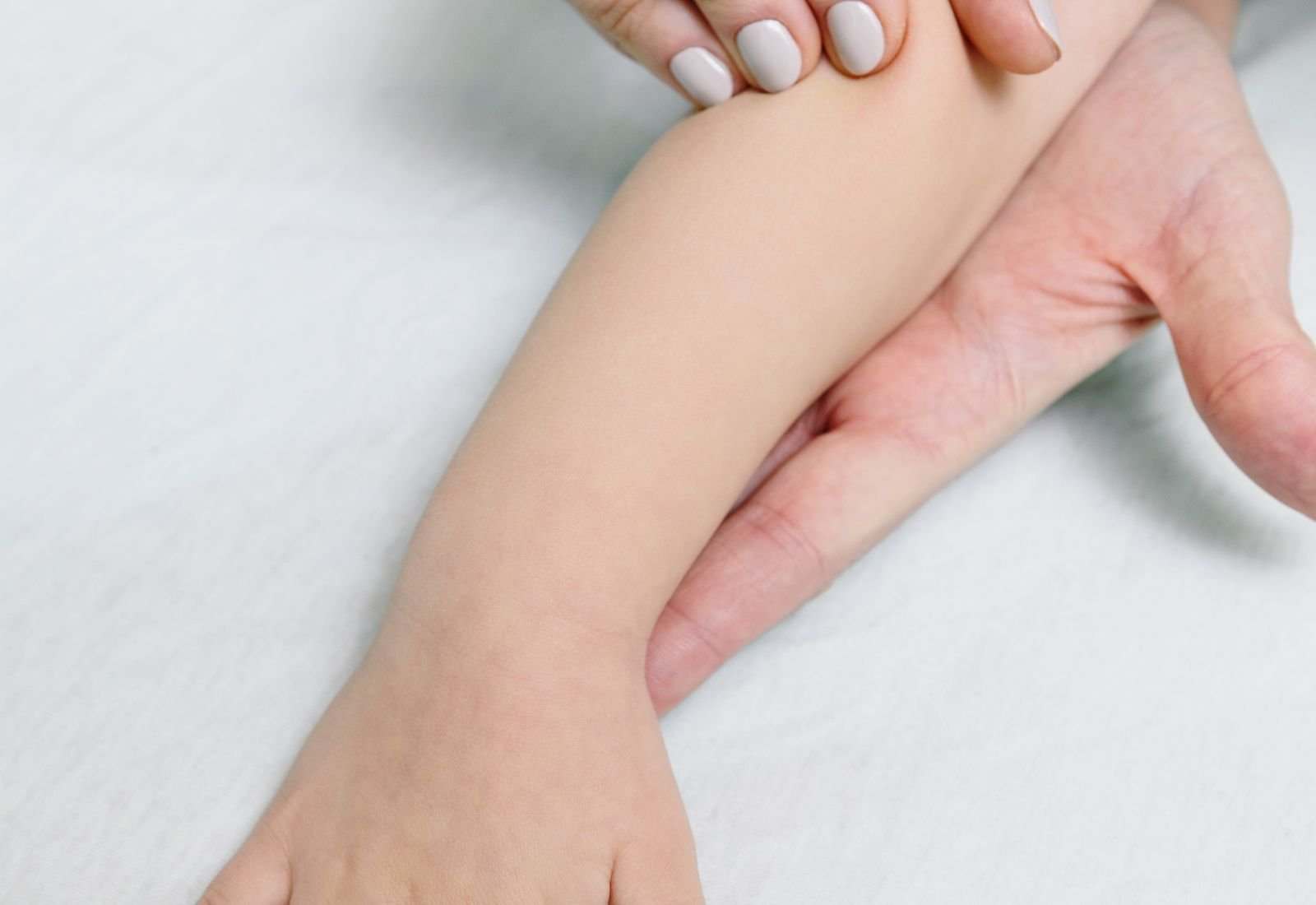
Nour Jihad Kassem · Physical Therapist
Ready to feel better? Contact me today to start your recovery.
In numbers
Qualified in Lebanon, with supervised hospital placements behind every technique used in your session.
What I treat
Every one of them starts the same way: an assessment long enough to find the actual problem.
Backs, necks, shoulders and knees — assessed, treated and retrained.
Learn moreStructured recovery after surgery, fracture or joint replacement.
Learn moreRebuilding movement, control and independence after neurological injury.
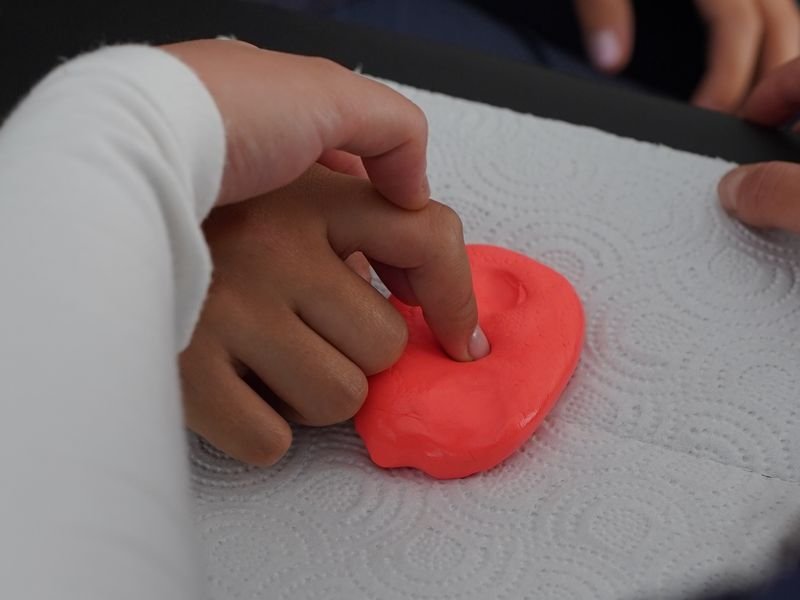
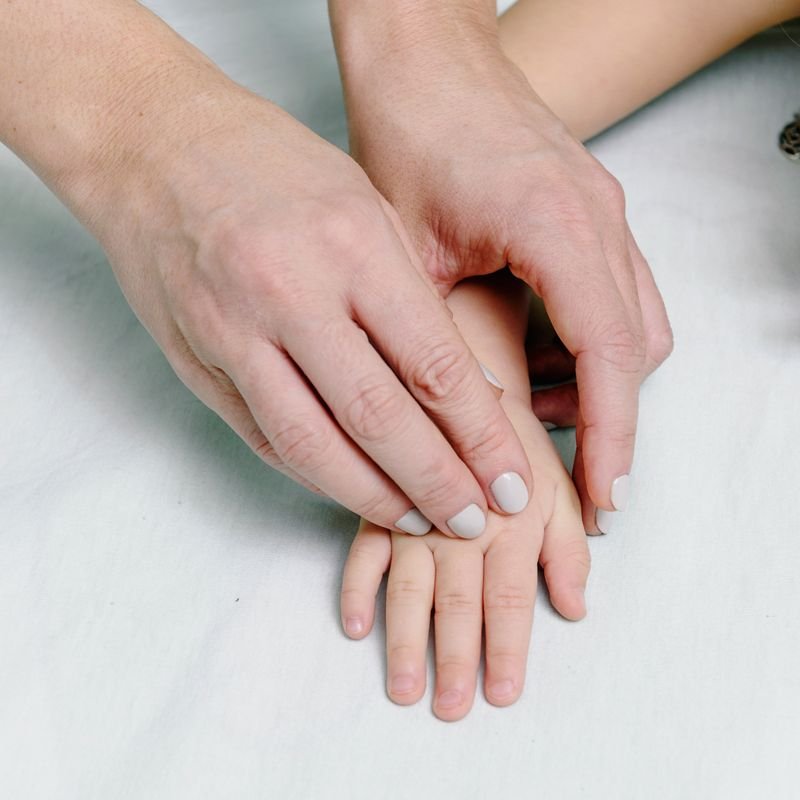
Learn moreGentle, play-led therapy for children's movement and development.
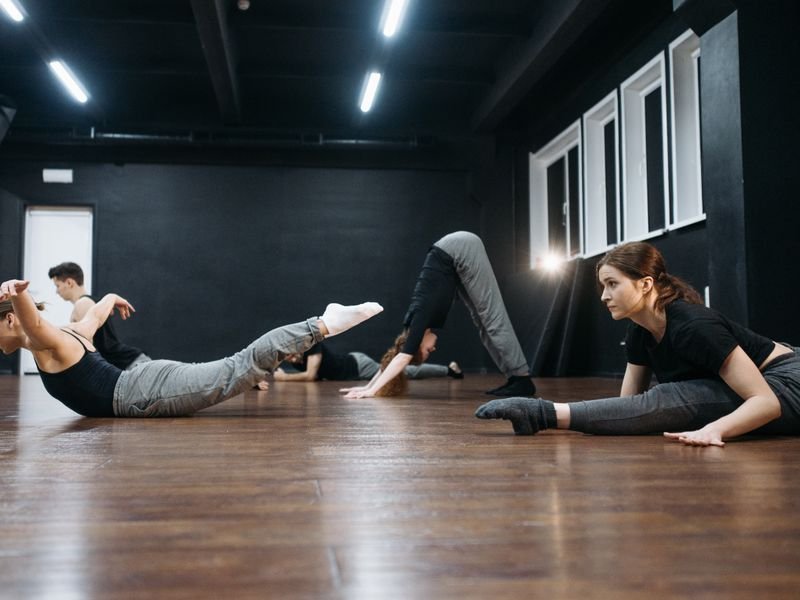
Learn moreMovement assessment, postural correction and steadier walking.
Learn moreDiscover
Pick the area that brought you here, or start with an assessment and we will work out together what is actually driving it — the painful spot is often not the problem, only where the problem surfaced.
Book an assessmentTherapy that fits you
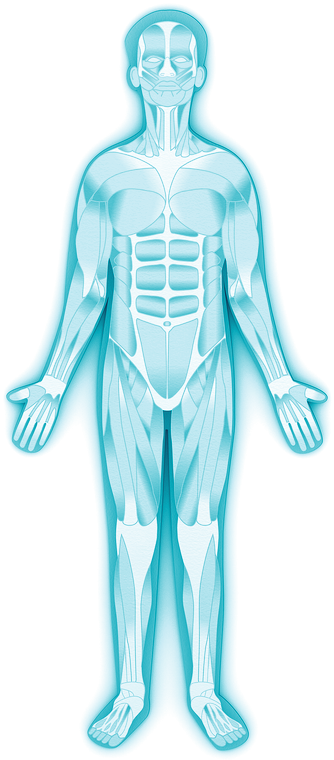
Four areas that bring most people through the door. Pick the one that sounds like you, or book an assessment and we will find it.
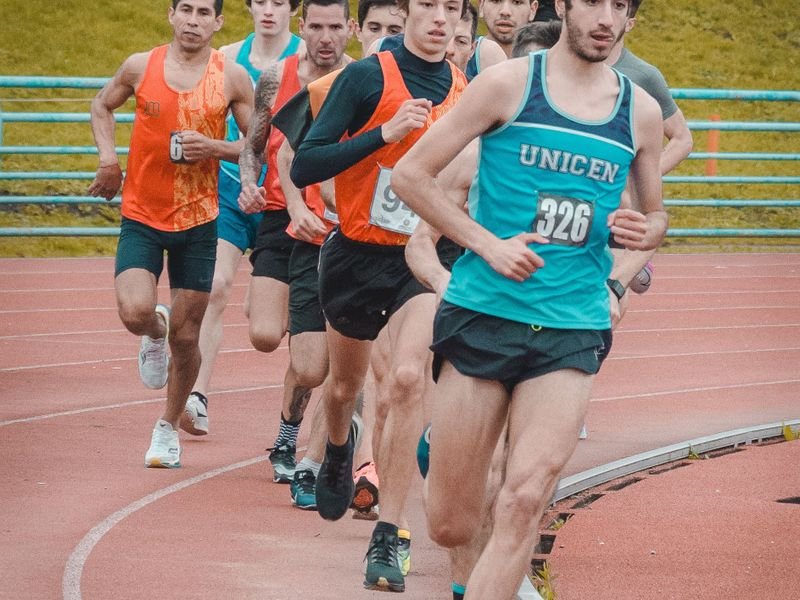
Rotator cuff, impingement and the shoulder that will not reach overhead.
View services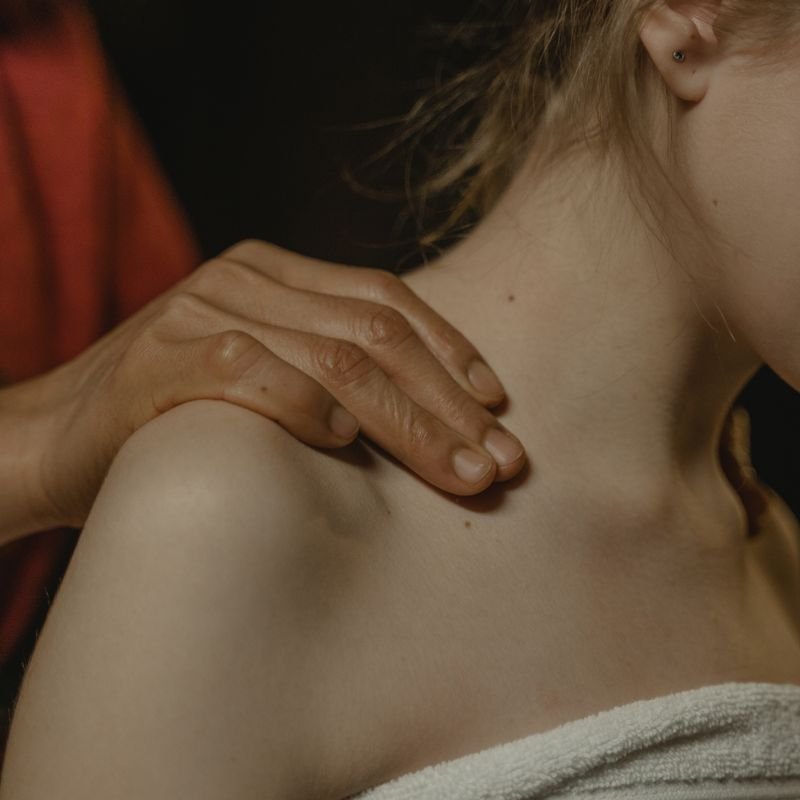
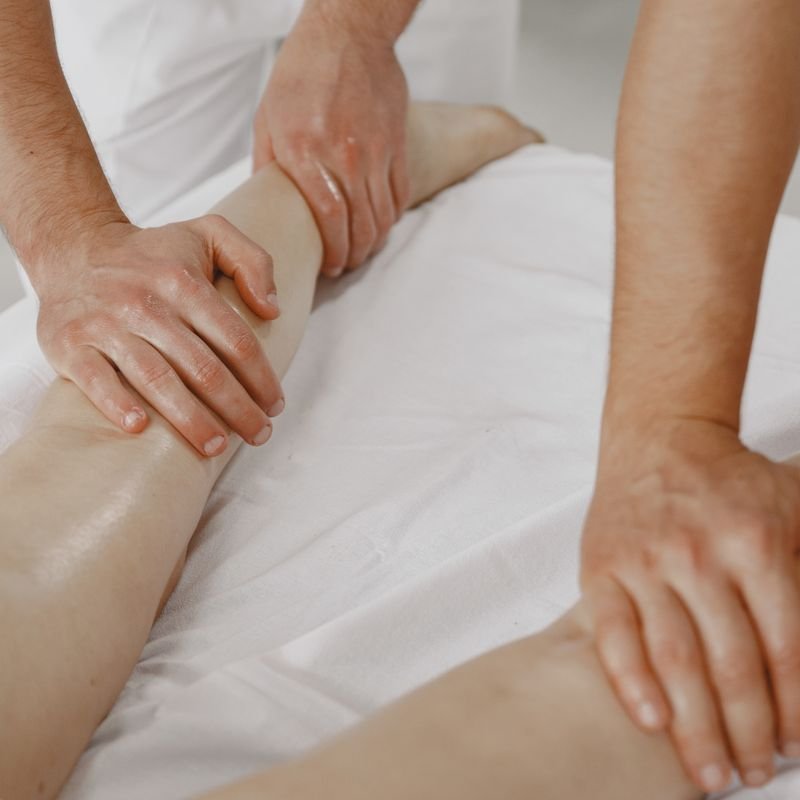
The injuries that keep returning because rehab stopped at pain-free.
View services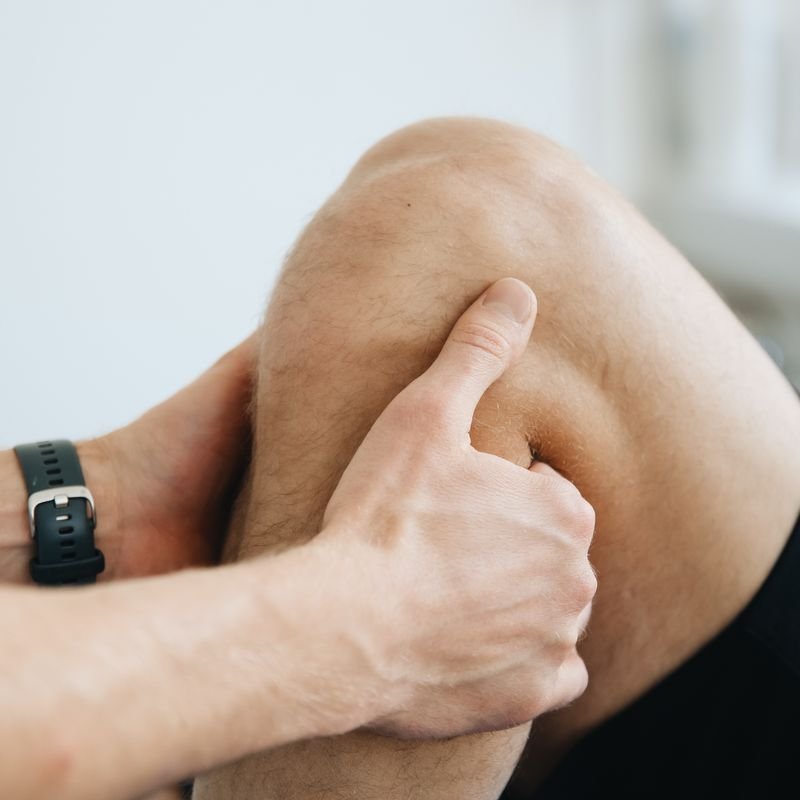
Welcome
I give you one-on-one attention in every session, and I focus on the root cause of your pain rather than only the symptoms you can feel.
Using a combination of manual therapy, advanced clinical techniques and a customised exercise programme, I help you recover from post-surgery rehabilitation, chronic pain and sports injury — and I make sure you understand your own body well enough to keep the problem from returning.
My goal
Not only to relieve your symptoms, but to identify the underlying causes and build the strength, confidence and knowledge you need to stay healthy and active for life.
Long enough to assess, treat and teach you the exercise in the same visit.
Every session is yours alone, start to finish — never shared and never rushed.
A first visit, a course of treatment, then discharge with a plan to stay well.
No two bodies are the same, so no two programmes are either.
Nothing is treated before it has been examined and explained to you.
Tell me what hurts and when it started, and I will come back to you with a time.
Message on WhatsAppSessions run 45–60 minutes. By appointment — one-to-one, start to finish.
See contact detailsAppointments by arrangement, plus home visits for patients who cannot travel.
Arrange a visit
Why patients come here
None of these are clever. Doing them every single time is the part that actually changes the outcome.
One-on-one attentionYour session is yours alone — never shared, never rushed.
The root cause, not the symptomWhere it hurts and why it hurts are two separate questions.
Hands-on and exercise togetherManual therapy opens a window. Exercise is what keeps it open.
You leave understanding itExplained in words you can repeat to someone else afterwards.
The gap nobody talks about
A muscle can feel perfectly fine walking around and complain on the first sprint, because walking never asked it for anything. The weeks between “it stopped hurting” and “it can handle my life again” are the ones that decide whether the problem returns.
Drag the handle to see where most people stop — and where rehabilitation should actually finish.
 Pain-free
Back to full strength
Pain-free
Back to full strength
Stock photography shown for layout. Replace with consented patient photographs before launch.
My approach
A detailed evaluation of your posture, movement, strength and flexibility to understand exactly how your body is working.
Identifying the true source of your pain or limitation — not just the area where you feel it.
A treatment programme designed around your body, your condition and the goals you actually want to reach.
Guided therapy and corrective exercise that restores strength, mobility and control, with you doing the work rather than having it done to you.
Education and a maintenance routine so you understand your body well enough to keep the problem from returning.

Treatment techniques
Which of these is used — and how much — is decided by the assessment, never by habit.
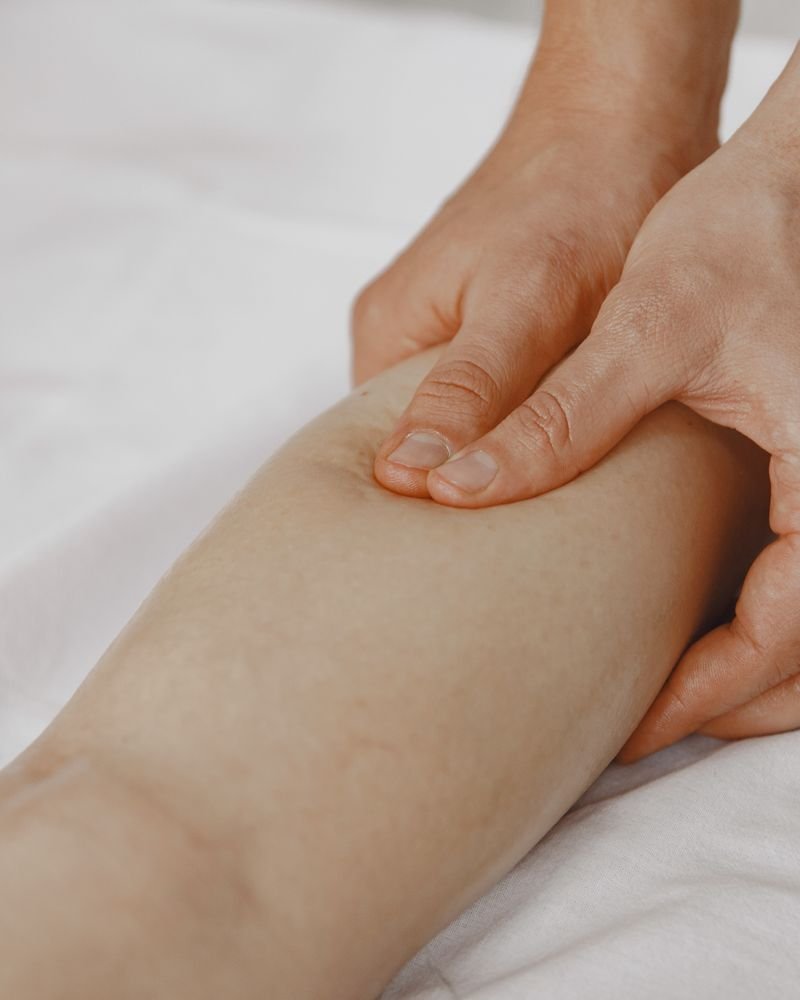
Hands-on mobilisation of joints and soft tissue to restore movement and settle pain.
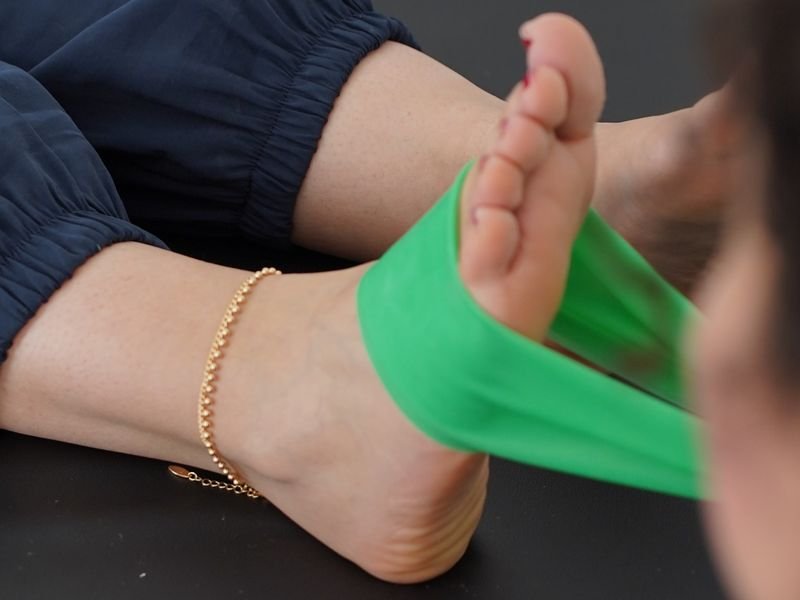
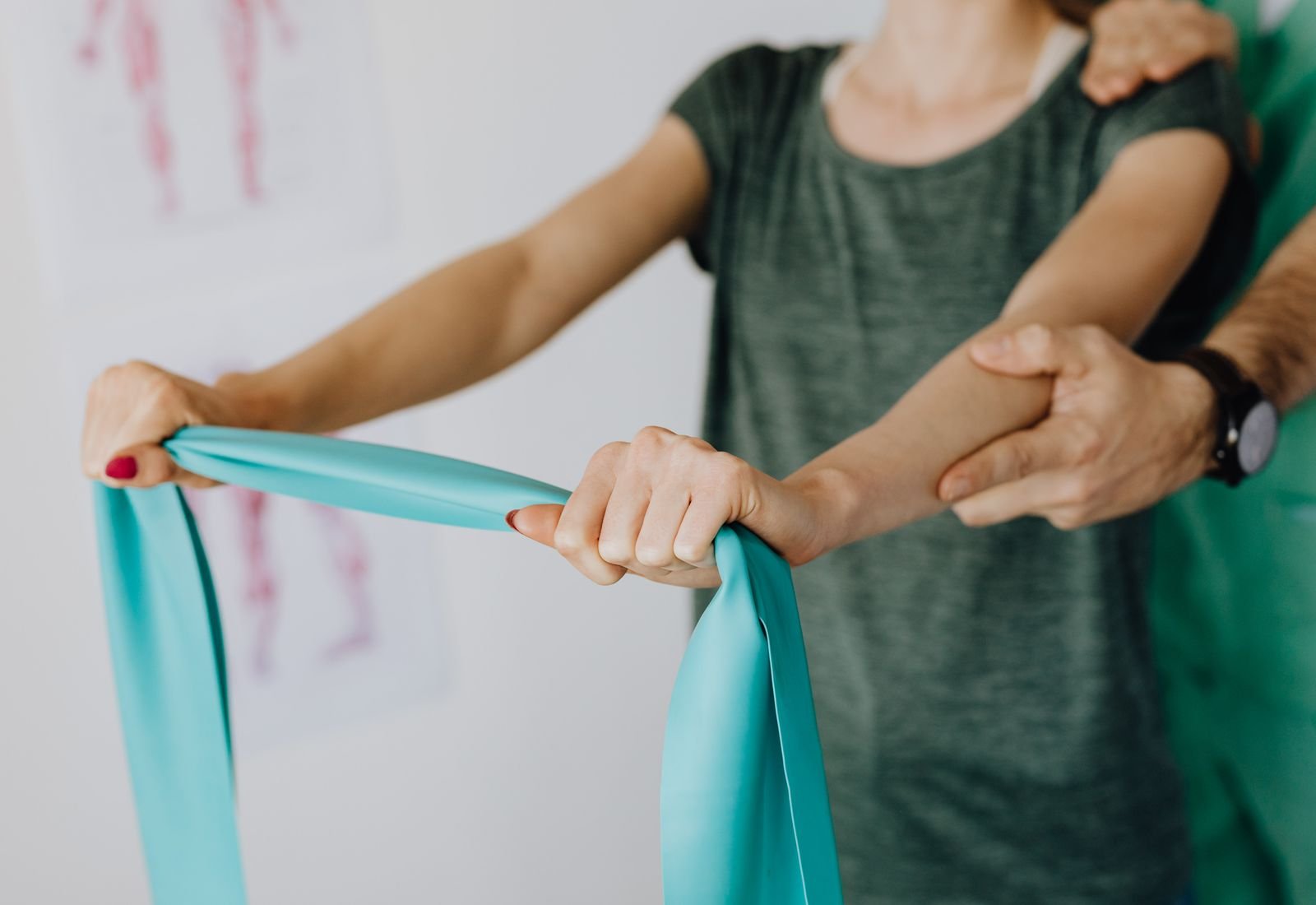
Targeted, progressive exercise that rebuilds strength, control and endurance.
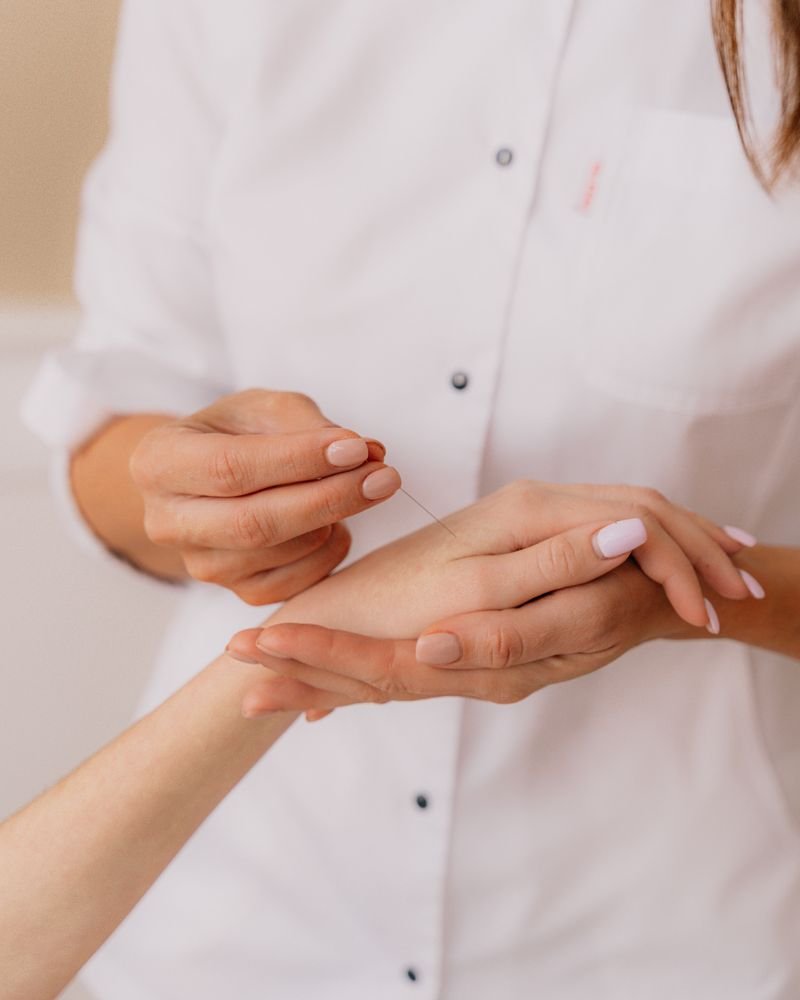
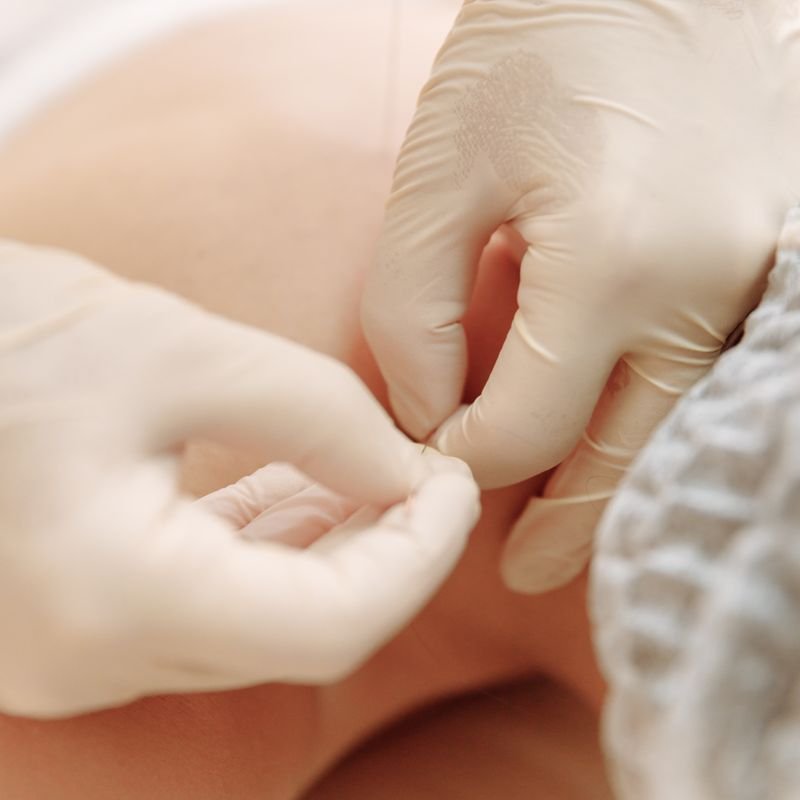
Fine needles into trigger points to release tight, painful muscle.
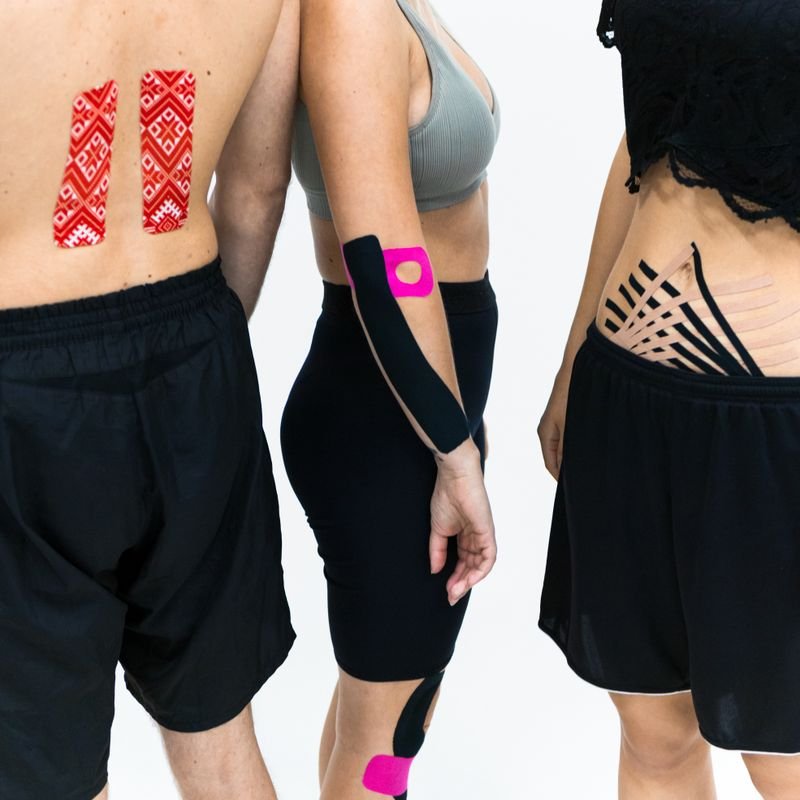
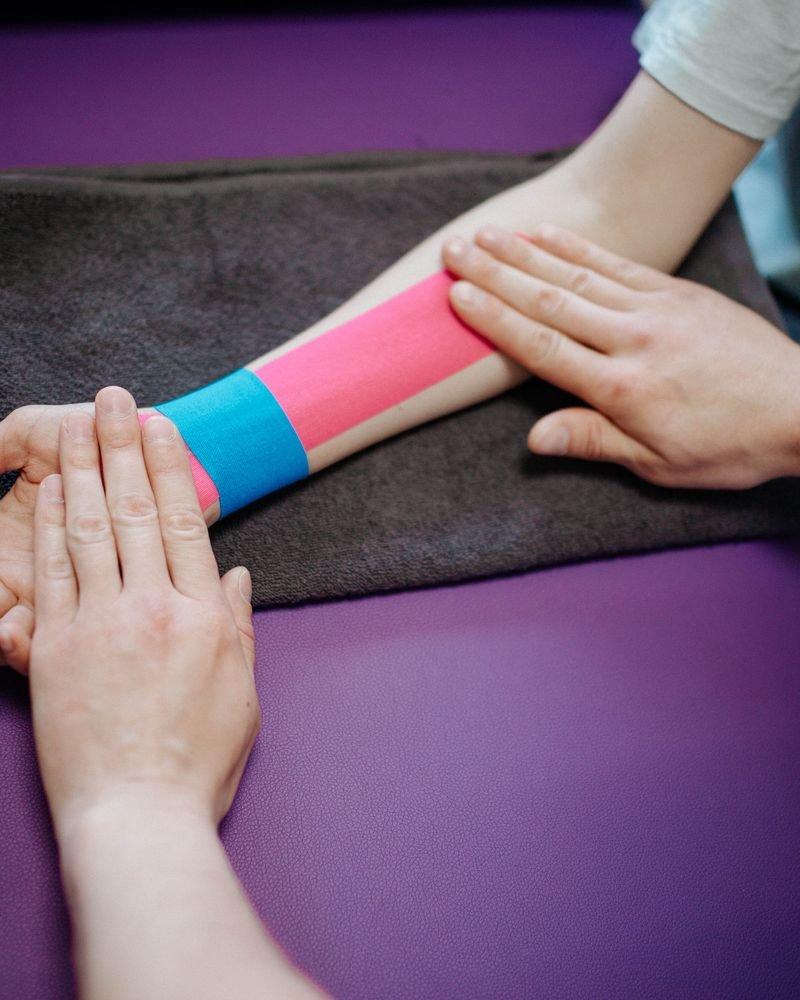
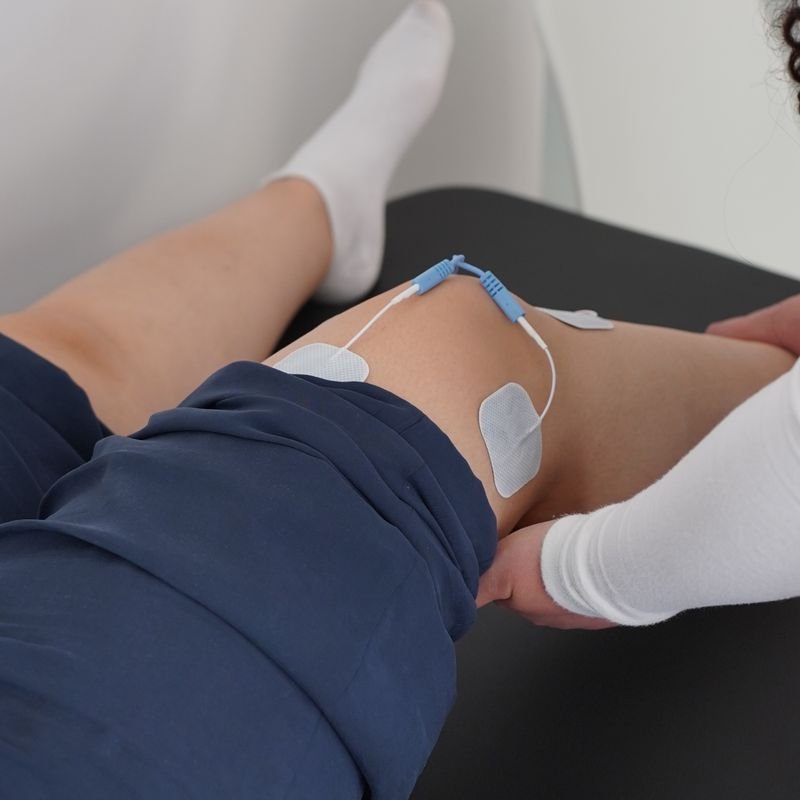
Used alongside treatment to help manage pain, swelling and muscle activation.
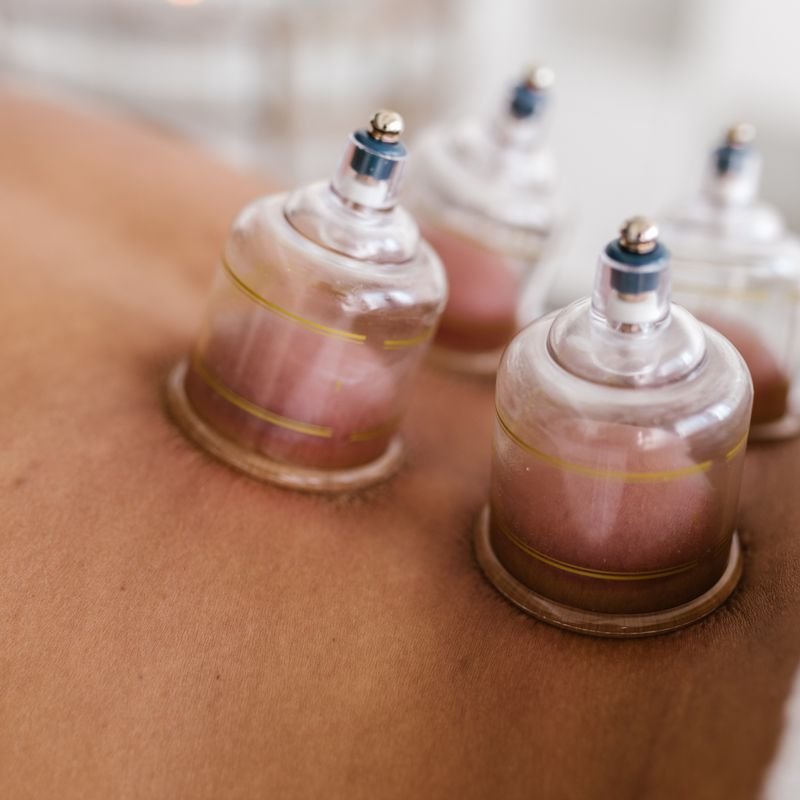
Suction applied to the skin to improve circulation and release tight fascia.
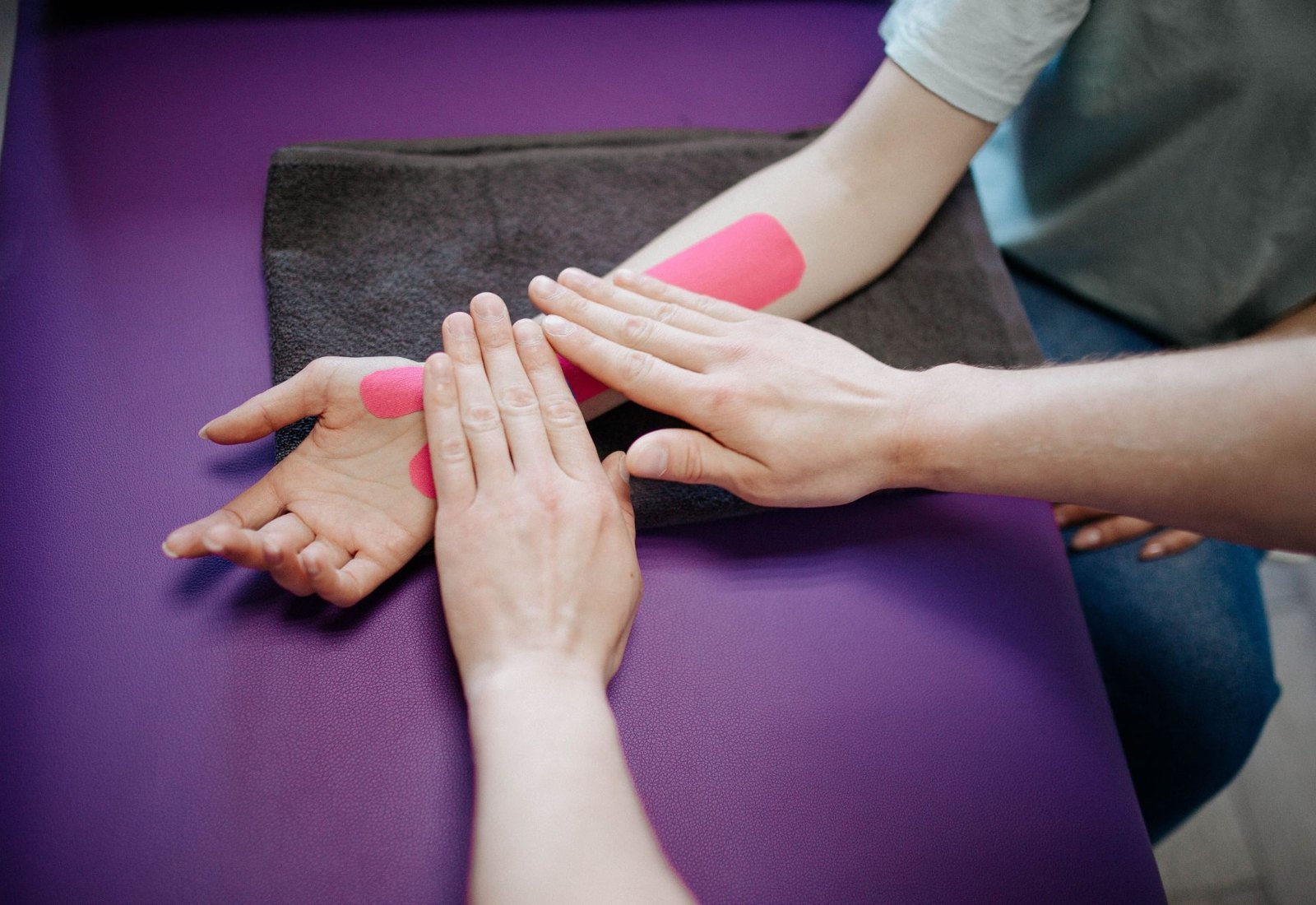
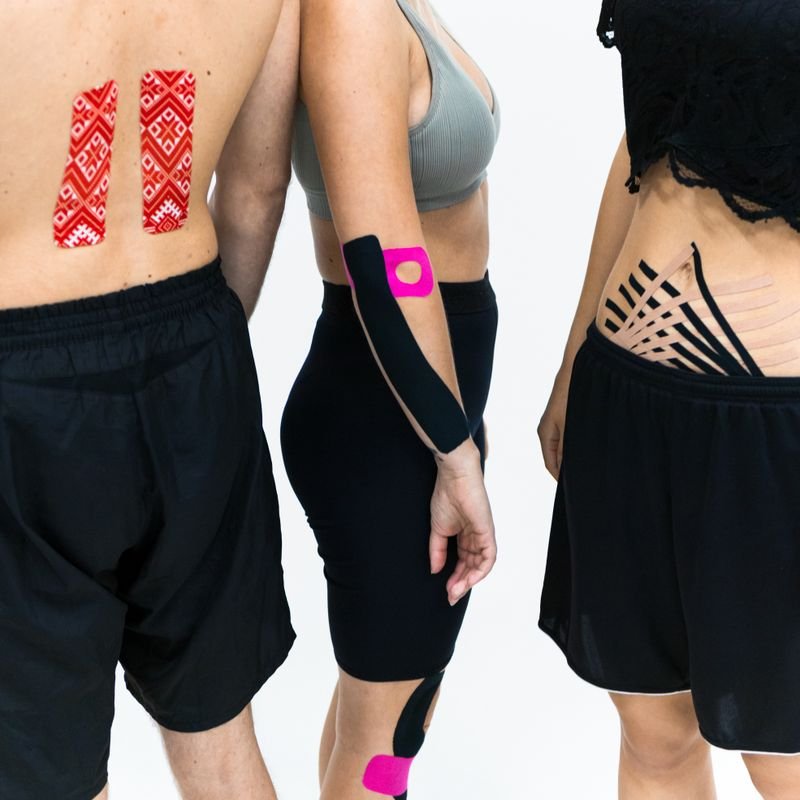
Elastic tape that supports a joint or muscle while you keep moving normally.
Your journey
Nothing is treated before it has been assessed, and nothing is discharged before you can maintain it yourself.
A comprehensive assessment, a clear diagnosis explained in plain words, and the first session of treatment on the same day.
Hands-on therapy paired with a progressive exercise programme, reviewed at every visit so the plan keeps matching where you actually are.
You finish with the strength, the confidence and the knowledge to maintain it yourself — plus a short routine that keeps the problem away.
In the clinic
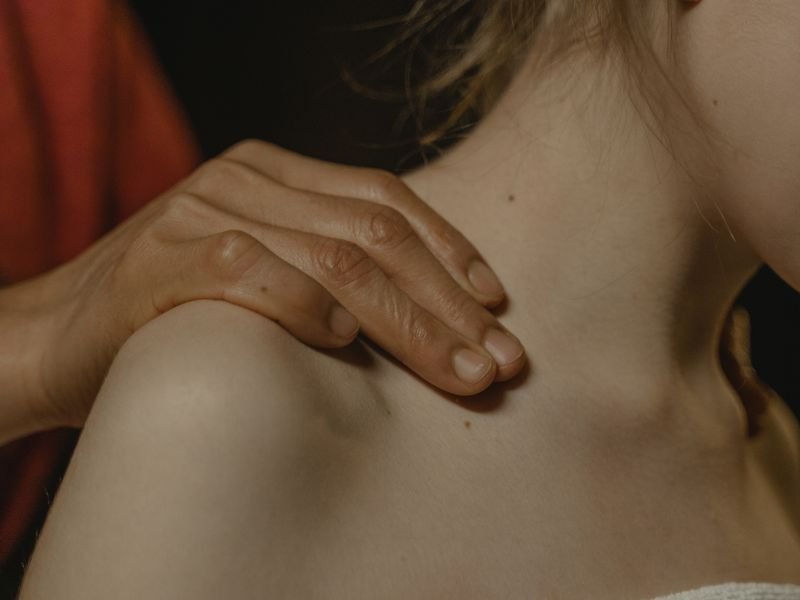
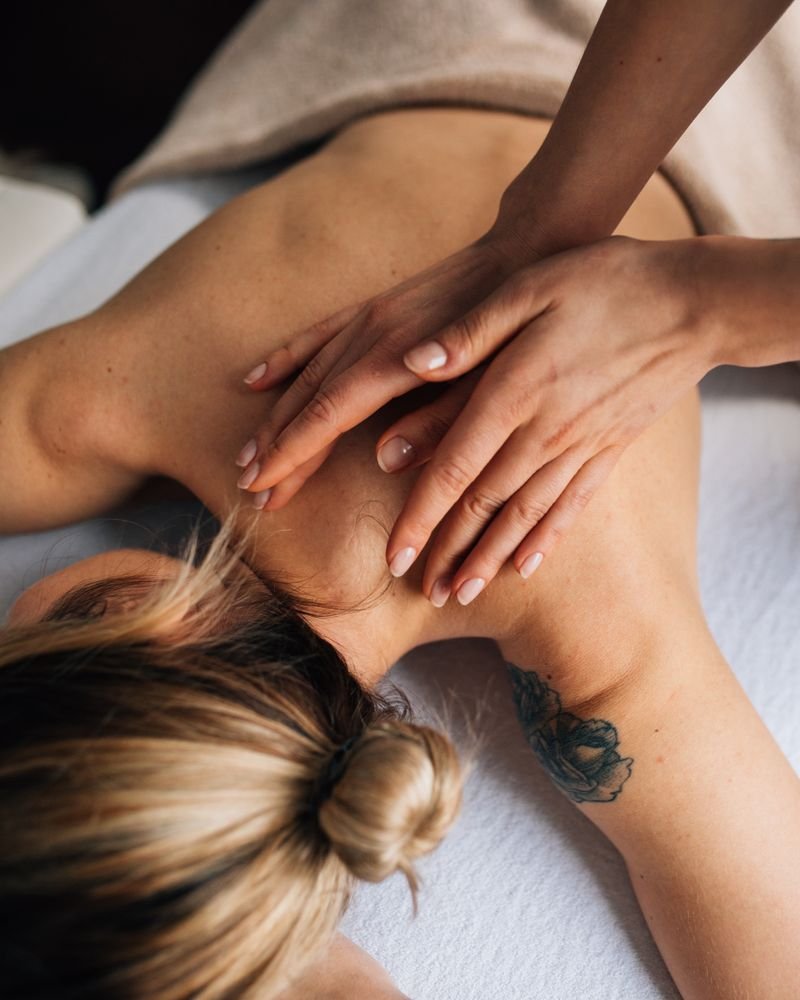
Photographs of the practice and of the kind of therapy done here.
Patients
I had been told to rest and wait. Instead I was given something to do from the first visit, and the pain settled within three weeks.
The first person who examined my shoulder properly instead of guessing. I knew exactly what was wrong by the end of the session.
Six weeks after my knee surgery I could manage the stairs again. The plan was staged and I always knew what came next.
My neck pain turned out to be a posture and strength problem. Months on and it has not come back.
She explained my son's walking in a way two other people could not, and the exercises were a game he actually wanted to play.
The cupping and dry needling helped immediately, but it was the exercise programme that made it stay away.
Sample wording shown while real reviews are collected.
Questions
Your first visit is a comprehensive assessment. I take a full history, examine your movement, strength and posture, explain the diagnosis in plain words, and we begin treatment the same day.
Sessions typically last 45 to 60 minutes — long enough to assess, treat and teach you the exercise in the same visit.
It varies with the condition and your goals. You get an honest estimate after the first assessment, and it is reviewed as you progress.
Loose, comfortable athletic clothing you can move in. If the problem is a knee or a hip, shorts make the assessment considerably easier.
A WhatsApp message is the fastest way. Tell me what hurts, how long it has been going on, and when you are usually free.
Arabic, French and English.
One session to find out what is actually going on, what it will take to put right, and how long that should realistically take.